Unexpected medical emergencies while traveling internationally can quickly escalate into significant financial burdens. The costs of overseas medical treatment, evacuation, and repatriation can be staggering, leaving travelers facing potentially devastating expenses. This is where comprehensive travel insurance plays a vital role, providing a safety net against unforeseen health crises and offering peace of mind as you explore the world.
Choosing the right travel insurance policy requires careful consideration of several factors, including your destination, the length of your trip, your age, and any pre-existing medical conditions. Different providers offer varying levels of coverage and benefits, making it crucial to compare policies thoroughly before making a decision. Understanding the nuances of medical evacuation, repatriation, and the potential costs associated with treatment in different countries is essential to securing adequate protection.
Understanding Travel Insurance for Medical Emergencies Abroad
Securing adequate travel insurance, particularly for medical emergencies, is crucial for peace of mind when venturing overseas. Unexpected illnesses or injuries can incur substantial costs, and having the right coverage can prevent financial strain during an already stressful situation. This section details the various aspects of travel medical insurance to help you make informed decisions.
Types of Medical Emergency Coverage
Travel insurance plans offer varying levels of medical emergency coverage. Basic plans typically cover emergency medical treatment, hospitalization, and doctor visits up to a specified limit. More comprehensive plans may include coverage for medical evacuation, repatriation of remains, and emergency dental care. Some policies also offer coverage for pre-existing conditions, although this often requires additional declarations and potentially higher premiums.
It’s vital to carefully review the policy wording to understand the exact extent of coverage. For example, a policy might cover ambulance transport to a hospital but not air ambulance evacuation to your home country.
Factors Influencing the Cost of Travel Medical Insurance
Several factors significantly influence the cost of travel medical insurance. The destination plays a role, with travel to regions with higher healthcare costs generally resulting in higher premiums. The length of your trip also impacts the price; longer trips naturally increase the risk and therefore the cost. Your age is another key factor, as older travelers statistically have a higher likelihood of requiring medical attention.
Pre-existing medical conditions can significantly increase premiums or even lead to exclusions unless specifically declared and approved by the insurer. For example, someone with a history of heart problems might face higher premiums or find it challenging to secure comprehensive coverage without disclosing this condition.
Comparison of Travel Insurance Providers
Different travel insurance providers offer varying levels of coverage and benefits. Comparing policies from multiple providers is crucial to find the best fit for your individual needs and budget. Key differences often lie in the coverage limits for medical expenses, the extent of emergency medical evacuation coverage (including the types of transportation covered, such as air ambulance versus ground ambulance), and the inclusion or exclusion of specific benefits, such as repatriation of remains.
Some providers might offer better customer service or a more streamlined claims process, which are also important considerations.
Comparison Table of Travel Insurance Providers
| Provider | Medical Emergency Coverage (USD) | Evacuation Costs (USD) | Repatriation of Remains (USD) |
|---|---|---|---|
| Provider A (Example) | $500,000 | $100,000 | $25,000 |
| Provider B (Example) | $250,000 | $50,000 | Included |
| Provider C (Example) | $1,000,000 | $200,000 | $50,000 |
| Provider D (Example) | $750,000 | $75,000 | Included |
Note: The figures presented in this table are illustrative examples only and should not be considered as accurate representations of current market offerings. Always refer to the specific policy wording for accurate details. Coverage limits and benefits can vary significantly between providers and specific policy options.
Essential Coverage Components
Choosing the right travel medical insurance policy requires careful consideration of its essential components. A comprehensive policy should offer robust protection against unforeseen medical emergencies while traveling abroad, mitigating potential financial burdens that can arise from unexpected illnesses or injuries. This section details the key elements to look for when selecting your travel insurance.
Comprehensive travel medical insurance policies go beyond basic coverage. They provide a safety net in unfamiliar environments where medical costs can be significantly higher than at home. Understanding the scope of coverage is crucial to ensuring you’re adequately protected during your trip.
Medical Evacuation and Repatriation Coverage
Medical evacuation and repatriation are critical components of any comprehensive travel insurance policy. Medical evacuation refers to the transport of an insured person from a remote location or a facility lacking adequate medical resources to a hospital with better facilities. Repatriation, on the other hand, covers the transportation of the insured person’s remains or their body back to their home country in the event of death.
These services can be incredibly expensive, potentially costing tens of thousands of dollars, making adequate insurance coverage essential. For example, a serious accident in a remote area might require a helicopter evacuation to the nearest major hospital, followed by a medical flight back home for further treatment. Without insurance, the individual would bear the full cost of these potentially life-saving services.
Costs of Medical Treatment Abroad
Medical treatment costs vary dramatically across countries. Developed nations like the United States, Canada, and those in Western Europe generally have higher medical costs than many developing countries. However, even in countries with lower overall costs, unexpected medical emergencies can still lead to substantial expenses. For instance, a simple appendicitis case in a developing country, while less expensive than in the US, could still require several thousand dollars for surgery, hospitalization, and post-operative care.
Without adequate insurance, the traveler could face significant financial hardship, potentially impacting their personal finances and future travel plans. A severe illness or injury, such as a stroke or a major accident, could easily incur expenses exceeding $100,000 in developed nations, a financial burden few could comfortably shoulder without insurance.
Examples of Vital Insurance Coverage
Consider the following scenarios: A tourist suffers a heart attack while backpacking in Southeast Asia. The emergency treatment, including hospitalization and subsequent medical evacuation to a specialized cardiac care facility, could easily cost tens of thousands of dollars. Or, imagine a family on vacation in Europe when a child is involved in a serious car accident requiring extensive surgery and rehabilitation.
The medical bills alone could bankrupt the family. In both instances, travel medical insurance with adequate coverage would significantly alleviate the financial stress and allow the individuals to focus on their recovery rather than worrying about overwhelming medical debt. Another scenario could involve a sudden illness requiring a prolonged hospital stay, leading to both direct medical costs and lost income due to inability to work.
Travel insurance can mitigate these risks and offer peace of mind during your trip.
Before You Go
Planning ahead is crucial for a smooth and safe trip, especially when it comes to medical emergencies. Proper preparation before purchasing travel insurance minimizes stress and ensures you have the necessary protection in place. This section details essential pre-trip actions and guidance on selecting appropriate coverage.Proactive steps before purchasing travel insurance significantly improve your preparedness for unforeseen medical events abroad.
Understanding your needs and the insurance options available empowers you to make informed decisions, securing the right level of protection for your specific circumstances.
Pre-Purchase Checklist
This checklist Artikels key actions to undertake before purchasing travel medical insurance. Completing these steps will ensure you’re well-prepared and have the information needed to choose a suitable policy.
- Determine your trip details: Specify your destination, travel dates, and planned activities. This information directly impacts the type and level of coverage required.
- Assess your health status: Consult your doctor regarding any pre-existing conditions and necessary medications. Disclosure of this information is vital for accurate policy assessment.
- Review your existing health insurance: Check if your domestic policy provides any international coverage. Understanding your existing benefits helps determine the extent of supplemental travel insurance needed.
- Research different insurance providers: Compare various providers’ offerings, focusing on coverage details, policy exclusions, and customer reviews. This allows for a comprehensive comparison before making a decision.
- Compile essential documents: Gather copies of your passport, visa (if applicable), and itinerary. Having these documents readily available streamlines the claims process in an emergency.
Choosing the Right Coverage Level
Selecting the appropriate level of coverage depends on various factors. Considering these factors ensures your policy adequately addresses your individual travel needs and risk profile.Several factors influence the selection of your coverage level. These include the length of your trip, the destination’s medical infrastructure, the nature of your activities (e.g., adventurous sports versus relaxation), and your personal health status and risk tolerance.
For example, a week-long trip to a developed country with good medical facilities might require less extensive coverage than a month-long backpacking adventure in a remote area with limited medical resources. A traveler with pre-existing conditions will also likely need a higher level of coverage.
Filing a Claim
In the unfortunate event of a medical emergency, prompt and efficient claim filing is crucial. Understanding the process beforehand minimizes stress during a challenging situation.The claims process typically involves contacting your insurance provider immediately following the medical incident. This usually requires providing details of the incident, medical bills, and relevant documentation such as your policy details and passport copy.
Most providers have a 24/7 emergency assistance hotline for immediate support and guidance. Be prepared to provide clear and concise information to facilitate a smooth and timely claim processing. Some providers offer online claim submission portals, while others may require physical mail submission. Always retain copies of all submitted documentation.
Understanding Policy Documents
Carefully reviewing your policy documents is essential before, and after, your purchase. This ensures a clear understanding of your coverage, limitations, and the claims process.Thoroughly read your policy documents, paying close attention to the terms and conditions, coverage limits, exclusions, and the claims procedure. Take note of the emergency contact information and the steps required for filing a claim.
If anything is unclear, contact your insurer for clarification before your trip. Understanding your policy prevents misunderstandings and ensures you are adequately protected. Pay particular attention to any exclusions, such as pre-existing conditions or certain activities, which might limit your coverage.
During a Medical Emergency
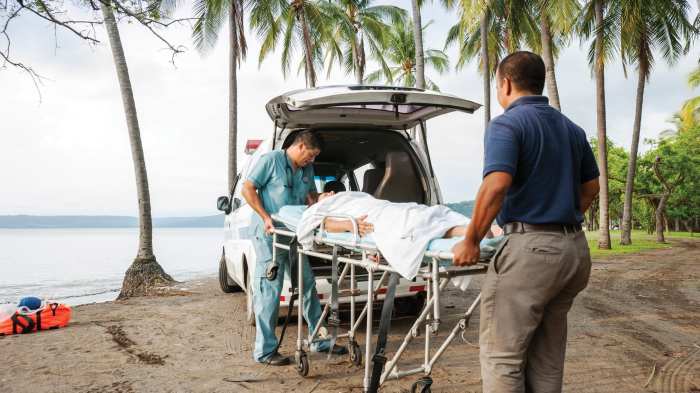
Experiencing a medical emergency while traveling abroad can be a stressful situation, but being prepared can significantly mitigate the challenges. Understanding your travel insurance policy and knowing the steps to take are crucial for a smoother recovery process. This section Artikels the key actions you should undertake to ensure you receive the necessary medical attention and support.A medical emergency abroad requires immediate action.
Your priority should be seeking appropriate medical care, then contacting your travel insurance provider. Failing to follow the correct procedures could impact your claim and potentially leave you with significant financial burdens. Effective communication with medical professionals and insurance representatives is also paramount.
Seeking Immediate Medical Attention
First and foremost, seek immediate medical attention. If the situation is life-threatening, call emergency services in the country you are visiting. The local equivalent of 911 or other emergency numbers should be readily available through your hotel, a local guide, or online search. Describe your situation clearly and concisely to the emergency dispatcher. If the emergency isn’t life-threatening, seek medical assistance from a local clinic or hospital.
Remember to note the location and contact information of the medical facility. Obtain a detailed record of the medical services you receive, including diagnoses, treatments, and costs.
Contacting Your Insurance Provider
After receiving medical attention, promptly contact your travel insurance provider. Your policy documents should clearly Artikel the emergency contact number or process for reporting a claim. Have your policy number readily available. Be prepared to provide details of the emergency, including the date, time, location, nature of the medical issue, and the name and contact information of the medical facility.
Many providers offer 24/7 assistance lines specifically for emergencies abroad. Follow their instructions carefully regarding required documentation and procedures. Maintain a record of all communications with your insurer.
Document Accessibility
Keeping essential documents readily accessible is vital. This includes your passport, travel insurance policy details (including the 24/7 emergency contact number), and any pre-existing medical condition information. Consider making digital copies and storing them securely in the cloud or on a separate device, in addition to carrying physical copies. This ensures you can access the information even if your primary device is lost or damaged.
You may also wish to inform a trusted person at home of your travel plans and itinerary, including your contact information.
Effective Communication
Communicating effectively with medical professionals and insurance representatives in a foreign country may present challenges. Having a translation app on your phone can be incredibly useful. If possible, try to find a translator to assist you. Remain calm and clearly articulate your needs and concerns. If you’re unsure about something, ask for clarification.
Remember to confirm any instructions or recommendations received before acting on them. Keeping a detailed record of all conversations and agreements will help you in the event of any disputes or misunderstandings.
Related Travel Topics
Planning a trip involves more than just booking flights and accommodation; it’s about finding the best deals, choosing exciting destinations, and utilizing helpful resources to ensure a smooth and enjoyable experience. Understanding how these elements interact with travel insurance is crucial for a well-rounded travel strategy.Effective travel planning often incorporates various resources and tools to optimize the experience and minimize potential risks.
This section explores the interconnectedness of travel insurance with other crucial aspects of travel preparation, highlighting the importance of informed decision-making throughout the process.
Useful Travel Resources
A wide range of resources can assist in planning your trip, from finding budget-friendly options to discovering hidden gems and navigating unexpected situations. Utilizing these resources effectively can significantly enhance your travel experience and help you prepare for potential emergencies.
- Travel Deals Websites: Kayak, Skyscanner, Google Flights, Expedia, Priceline. These websites allow you to compare prices from various airlines and travel agencies, helping you find the best deals on flights and accommodations.
- Popular Travel Destinations: Popular destinations vary by interest and budget, but examples include popular European cities (Paris, Rome, Barcelona), Southeast Asian countries (Thailand, Vietnam, Bali), and North American destinations (New York City, Los Angeles, national parks). Researching destinations beforehand helps travelers understand local customs and potential health risks.
- Travel Guide Websites: Lonely Planet, TripAdvisor, Fodor’s, Rough Guides. These websites offer detailed information on various destinations, including accommodation recommendations, activity suggestions, and cultural insights. They can be invaluable in planning your itinerary and understanding local nuances.
- Reputable Travel Apps: Google Maps, Citymapper, Hopper, Airbnb, Booking.com. These apps provide real-time information, navigation assistance, accommodation booking services, and other travel-related functionalities, streamlining the travel process and offering support on the go.
Visual Representation of Travel Planning Interconnections
Imagine a central circle representing “Travel Insurance.” Four smaller circles, representing “Travel Deals,” “Destinations,” “Travel Guides,” and “Travel Apps,” surround the central circle, each connected to it by lines. The lines symbolize the interconnectedness; for example, finding a great deal (Travel Deals) might influence your destination choice, and both influence the type of insurance you need. Travel guides help you understand potential risks at your destination, informing your insurance needs, while travel apps can assist during emergencies covered by your insurance.
The diagram illustrates how each element plays a role in a comprehensive travel plan and how they all relate to travel insurance.
Travel Blogs and Guides: Informing Insurance Decisions
Travel blogs and guides often include practical advice and personal experiences, offering valuable insights into potential travel hazards and necessary precautions. Reading these resources can help travelers identify potential risks specific to their chosen destination, such as the prevalence of certain illnesses or the need for specific medical services, which in turn influences their travel insurance choices. For instance, a blog detailing a traveler’s experience with a medical emergency in a remote location highlights the importance of comprehensive evacuation coverage.
Travel Apps: Assistance During Medical Emergencies
Many travel apps offer features that can be invaluable during a medical emergency abroad. For example, some apps provide real-time translation services, allowing communication with medical personnel. Others offer location services to quickly inform emergency contacts of your location. Furthermore, some apps can help find nearby hospitals or clinics, potentially saving valuable time in an emergency. The ability to access these services can significantly impact the effectiveness of your travel insurance coverage.
Navigating the complexities of travel insurance for medical emergencies abroad may seem daunting, but with careful planning and the right policy, you can significantly mitigate the risks associated with unexpected health issues while traveling. By understanding your coverage, following proper procedures during an emergency, and prioritizing preparedness, you can enjoy your travels with increased confidence, knowing that you have a robust safety net in place.
Remember to always thoroughly review your policy documents and keep essential information readily accessible.
Detailed FAQs
What happens if my pre-existing condition requires treatment abroad?
Many policies offer coverage for pre-existing conditions, but this often requires disclosing them during the application process and may involve additional costs or limitations on coverage. Check your policy details carefully.
Can I use any doctor or hospital abroad?
Some policies require you to use network providers for reduced costs. Others may allow you to choose any provider but may reimburse you at a pre-determined rate. Review your policy’s stipulations regarding healthcare providers.
What documents do I need to file a claim?
Typically, you will need medical bills, receipts for expenses incurred, your policy documents, and a completed claim form. Your insurance provider will provide specific instructions.
How long does it take to receive a claim payout?
Processing times vary depending on the insurer and the complexity of the claim. It’s best to check with your provider for an estimated timeframe.