Embarking on a solo adventure is exhilarating, but responsible planning is paramount. Securing affordable travel insurance is a crucial first step, mitigating potential risks and providing peace of mind. This guide explores how to find cost-effective insurance plans tailored to the unique needs of solo travelers, covering essential coverage, smart budgeting strategies, and practical tips for navigating the claims process.
We’ll delve into the factors influencing insurance costs, comparing different plans and providers to help you make informed decisions. Understanding the specific risks inherent in solo travel, such as medical emergencies in unfamiliar locations or lost luggage, allows for a more targeted approach to insurance selection. Ultimately, the goal is to ensure your journey is both budget-friendly and safe.
Defining “Affordable” Solo Travel Insurance
Defining “affordable” travel insurance for solo travelers is subjective and depends heavily on individual circumstances and risk tolerance. What constitutes affordable for one person might be extravagant for another. This section explores the factors affecting cost and provides examples to illustrate the range of options available.Factors Influencing the Cost of Solo Travel InsuranceSeveral factors influence the cost of travel insurance for solo travelers.
These include the length of the trip, the destination’s risk profile (medical emergencies are more costly in some countries), the age of the traveler, the level of coverage desired (basic medical vs. comprehensive), and the inclusion of optional add-ons like baggage loss or trip cancellation coverage. Pre-existing medical conditions can also significantly increase premiums. Younger, healthier travelers typically secure more affordable policies than older individuals with pre-existing health concerns.
Trips to high-risk destinations naturally command higher premiums due to increased potential for incidents requiring extensive medical care or evacuation.
Examples of Insurance Plans with Varying Coverage Levels and Price Points
Illustrative examples of travel insurance plans are difficult to provide due to constant price fluctuations and variations between providers. However, a general understanding can be achieved by considering coverage tiers. A basic plan might offer only emergency medical coverage with a limited payout, perhaps around $50,000 to $100,000, and cost as little as $20-$50 for a week-long trip.
A mid-range plan might increase this medical coverage to $250,000-$500,000 and add trip cancellation/interruption coverage, potentially costing $75-$150 for the same trip. A comprehensive plan could cover medical expenses up to $1 million or more, including emergency medical evacuation, lost baggage, and trip delays, with a price tag of $150-$300 or more. These are rough estimates and can vary greatly depending on factors mentioned earlier.
Comparison Table of Insurance Features and Costs
The following table illustrates the potential variation in features and costs for different travel insurance plans. Remember that these are illustrative examples and actual prices will vary depending on the insurer, trip details, and individual circumstances.
| Feature | Basic Plan (Example) | Mid-Range Plan (Example) | Comprehensive Plan (Example) |
|---|---|---|---|
| Emergency Medical Coverage | $50,000 | $250,000 | $1,000,000 |
| Trip Cancellation/Interruption | No | Yes | Yes |
| Emergency Medical Evacuation | No | Yes | Yes |
| Baggage Loss/Delay | No | Limited Coverage | Comprehensive Coverage |
| Estimated Cost (7-day trip) | $30 | $100 | $250 |
Essential Coverage for Solo Travelers
Solo travel offers incredible opportunities for personal growth and exploration, but it also presents unique risks. Having the right travel insurance is crucial for peace of mind and financial protection during your adventure. This section details essential coverage aspects specifically relevant to solo adventurers.Choosing the right travel insurance policy for solo travel requires careful consideration of potential risks unique to independent exploration.
While standard policies often cover medical emergencies, trip cancellations, and lost luggage, solo travelers may face increased vulnerability in certain situations. This increased vulnerability necessitates a more comprehensive insurance package.
Medical Emergencies
Medical emergencies can be particularly challenging when traveling alone. Access to immediate support and reliable communication can be limited, and the costs of medical treatment abroad can be astronomical. Comprehensive medical coverage should include emergency medical evacuation, repatriation of remains, and medical expenses incurred during treatment. For example, a serious illness or injury in a remote location could necessitate a costly helicopter evacuation and subsequent hospitalization, easily exceeding tens of thousands of dollars.
A robust travel insurance policy significantly mitigates the financial burden of such an event.
Trip Cancellations and Interruptions
Unexpected events can disrupt travel plans, and solo travelers are particularly vulnerable to these disruptions. A sudden illness, a family emergency, or even severe weather can force a trip cancellation or significant alteration. Comprehensive trip cancellation and interruption insurance will reimburse prepaid, non-refundable expenses, such as flights, accommodation, and tours. For instance, if a volcanic eruption forces the closure of an airport, preventing your return flight, this coverage will help you cover costs associated with alternative arrangements.
Lost or Stolen Belongings
The risk of theft or loss of belongings is unfortunately higher for solo travelers. Losing your passport, wallet, or other essential items can severely disrupt your trip and cause significant financial hardship. Insurance covering lost or stolen luggage and personal belongings provides compensation for the value of your items. A policy should clearly Artikel the limits of coverage and the claims process, enabling a relatively smooth recovery process following a loss.
Consider insuring valuables separately, especially if you are carrying expensive electronics or jewelry.
Recommended Coverage Options
Understanding the potential risks unique to solo travel is vital when selecting an insurance plan. The following list Artikels crucial coverage aspects that should be prioritized for solo trips:
- Emergency Medical Evacuation: Covers the cost of transporting you to a suitable medical facility in an emergency.
- Repatriation of Remains: Covers the cost of returning your body to your home country in the event of death.
- Medical Expenses: Covers the cost of medical treatment, hospitalization, and medication.
- Trip Cancellation and Interruption: Covers non-refundable expenses if your trip is cancelled or interrupted due to unforeseen circumstances.
- Lost or Stolen Belongings: Covers the cost of replacing lost or stolen personal items.
- Personal Liability: Protects you against claims of injury or damage to others.
- 24/7 Emergency Assistance: Provides access to assistance services, such as medical referrals and emergency support.
Finding Affordable Insurance Options
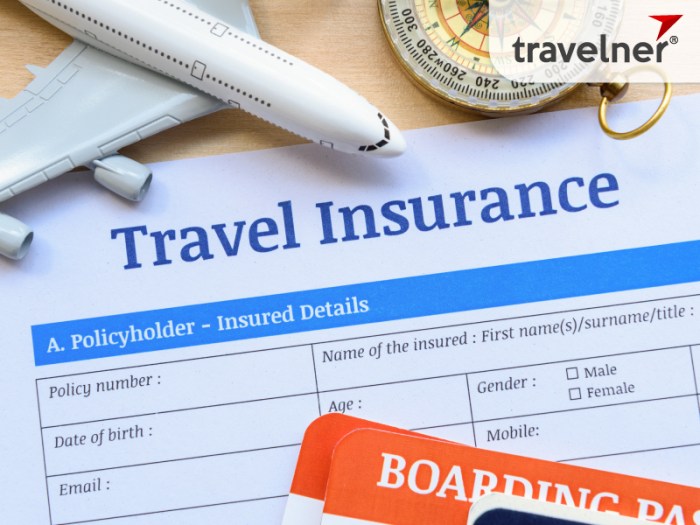
Securing budget-friendly travel insurance for solo adventures requires a strategic approach. By understanding the market, comparing providers, and leveraging available discounts, solo travelers can significantly reduce their insurance costs without compromising essential coverage. This section explores practical strategies to achieve this.Finding affordable travel insurance involves careful comparison and strategic planning. Many factors influence the final price, and understanding these allows for more effective cost management.
Comparison of Insurance Providers
Several insurance providers cater specifically to solo travelers, each offering varying levels of coverage and pricing. Direct comparison of these providers is crucial. For example, World Nomads is known for its comprehensive coverage and adventure-focused plans, often appealing to solo backpackers. However, they might be pricier than insurers specializing in more basic travel insurance, such as Allianz Travel, which offers more budget-friendly options, albeit with potentially less comprehensive coverage.
Another provider, SafetyWing, is popular among digital nomads for its monthly subscription model, providing flexibility for extended trips. It’s important to compare quotes from multiple providers, considering the specific activities planned and the level of coverage required before selecting a policy.
Impact of Discounts and Promotions
Travel insurance providers frequently offer discounts and promotions that can significantly reduce the overall cost. These can include early bird discounts for booking insurance well in advance of the trip, multi-trip discounts for frequent travelers, or student discounts for those still in education. Additionally, some providers offer partnerships with travel agencies or credit card companies, providing further opportunities for savings.
For instance, a traveler booking through a specific travel agency might receive a 10% discount on their insurance premium, while a credit card might offer a 5% cashback on insurance purchases. Checking for these promotions before purchasing a policy is strongly advised. Many insurers advertise these discounts on their websites or through email newsletters.
Travel Insurance and Solo Trip Planning
Integrating travel insurance effectively into your solo trip planning is crucial for peace of mind and financial protection. A well-structured itinerary should consider potential risks and incorporate insurance coverage accordingly. This ensures that unexpected events don’t derail your adventure or leave you with significant unforeseen costs.Proper planning minimizes disruptions and maximizes the enjoyment of your solo journey. By proactively addressing potential issues, you can focus on experiencing your destination rather than worrying about the “what ifs.”
Integrating Travel Insurance into a Solo Travel Itinerary
To seamlessly integrate travel insurance into your solo travel plans, consider the specific activities and destinations involved. For instance, if you’re planning adventurous activities like hiking or water sports, ensure your policy covers those activities. Similarly, if you’re traveling to a region with a high risk of medical emergencies or political instability, choose a policy that offers adequate coverage in those areas.
Begin by researching your destination to identify potential risks. Then, select a policy that specifically addresses those concerns. Finally, incorporate the policy details and emergency contact information into your itinerary and easily accessible digital documents. This ensures quick access in case of an emergency.
Travel Insurance Documentation Checklist
A comprehensive checklist ensures you have all necessary documentation before departure. This prevents delays and potential complications if an unexpected event occurs.
- Policy number and contact information for your insurance provider.
- Copies of your passport and visa (if applicable).
- Itinerary with flight details, accommodation bookings, and planned activities.
- Emergency contact information for family and friends.
- A list of prescribed medications and any relevant medical information.
- Copies of your travel insurance policy documents, including details of coverage.
- Credit card information for any potential expenses.
Filing a Travel Insurance Claim
Filing a claim efficiently is crucial in case of an emergency. The process generally involves several steps, and prompt action is often necessary.
- Report the incident: Contact your insurance provider immediately after the incident occurs to report the details. Note the date, time, and location of the event, along with a brief description.
- Gather necessary documentation: Collect all relevant documents, including medical bills, police reports (if applicable), receipts for expenses incurred, and copies of your travel itinerary and insurance policy.
- Submit your claim: Follow your insurance provider’s instructions for submitting your claim. This may involve completing a claim form and submitting the required documentation electronically or by mail.
- Follow up: After submitting your claim, follow up with your insurance provider to check on its status. Keep records of all communication and correspondence.
Exploring Related Travel Aspects
Planning a solo trip involves more than just booking flights and accommodation; it encompasses a holistic approach to maximizing your experience while minimizing costs. Understanding various travel deals, suitable destinations, essential tips, and leveraging technology can significantly enhance your solo adventure.
Travel Deals for Solo Travelers
Many travel companies and platforms cater specifically to solo travelers, offering discounts and deals to encourage independent exploration. These often include single-occupancy room discounts (though not always guaranteed), deals on tours designed for smaller groups or individuals, and promotions on transportation such as bus passes or train tickets. Websites specializing in budget travel often feature deals aggregated from various sources, saving you the time of searching multiple sites.
Consider looking for deals on all-inclusive packages, which can sometimes offer better value for solo travelers than booking elements separately. Flash sales and last-minute deals are also common, though require flexibility in travel dates.
Popular Destinations for Solo Travel
Destinations offering a good balance of safety, cultural richness, and ease of navigation are ideal for solo travelers. Southeast Asia (Thailand, Vietnam, Cambodia) consistently ranks highly due to its affordable prices, friendly locals, and well-developed tourist infrastructure. Cities like Lisbon, Portugal, offer a charming atmosphere and easy walkability, perfect for independent exploration. Japan, while slightly more expensive, provides a unique cultural immersion with excellent public transportation.
Iceland’s stunning landscapes and relatively safe environment make it appealing for adventurous solo travelers. Each destination provides unique opportunities for personal growth and exploration.
Essential Tips and Advice for Solo Travelers
Packing List: Pack light! A carry-on bag is ideal. Include versatile clothing items, comfortable walking shoes, essential toiletries (travel-sized), a universal adapter, a first-aid kit, copies of important documents (passport, visa, insurance), and a reusable water bottle.
Safety Precautions: Share your itinerary with someone at home. Be aware of your surroundings, avoid walking alone at night in unfamiliar areas, and trust your instincts. Learn basic phrases in the local language. Keep valuables secure and consider using a money belt or hidden pouch. Register with your embassy or consulate if staying for an extended period.
Accommodation: Choose reputable accommodation options with good reviews. Consider hostels for budget-friendly options and opportunities to meet other travelers. Book accommodations in advance, especially during peak season.
Transportation: Utilize public transportation whenever possible. Research local transportation options before your trip. Consider using ride-sharing apps, but be mindful of safety and costs.
Communication: Download a translation app and ensure your phone has international roaming or a local SIM card. Inform your bank and credit card companies of your travel plans to avoid any issues with transactions.
Popular Travel Apps for Solo Travelers
Several apps cater specifically to the needs of solo travelers. Google Maps and Citymapper provide excellent navigation capabilities. Booking.com, Hostelworld, and Airbnb facilitate accommodation bookings. Rome2rio helps compare different transportation options. TripAdvisor offers reviews and recommendations on attractions and restaurants.
These apps streamline the planning process and provide valuable on-the-go assistance.
Benefits and Drawbacks of Travel Blogs for Solo Trip Planning
Travel blogs offer a wealth of firsthand experiences and detailed itineraries. They can inspire destinations and provide valuable insights into local customs and hidden gems. However, information can be subjective, outdated, or sponsored. Always cross-reference information from multiple sources and be critical of overly positive or promotional content. Blogs can serve as a starting point, but independent research is crucial for comprehensive trip planning.
Travel Essentials and Gadgets for Solo Travelers
A portable charger is essential for staying connected. A universal adapter ensures you can charge your devices anywhere. A travel-sized first-aid kit is crucial for minor injuries. A reusable water bottle promotes hydration and reduces plastic waste. A padlock secures your luggage.
A head lamp or flashlight is useful for navigating dark areas. A small backpack allows for hands-free exploration. These gadgets and essentials enhance comfort and safety throughout your solo journey.
Planning a solo trip requires careful consideration of various factors, and travel insurance is a non-negotiable component. By understanding the nuances of affordable options, prioritizing essential coverage, and proactively managing your insurance needs, you can transform potential anxieties into confident anticipation. This guide equips you with the knowledge to navigate the insurance landscape, allowing you to focus on the excitement of your solo adventure, knowing you’re protected every step of the way.
FAQ Guide
What if my flight is delayed, and I miss a connecting flight?
Most comprehensive travel insurance policies cover expenses incurred due to flight delays that cause you to miss connecting flights, provided the delay is beyond your control.
Does travel insurance cover pre-existing medical conditions?
Coverage for pre-existing conditions varies greatly between insurers. Some may offer limited coverage, while others may exclude them entirely. It’s crucial to disclose any pre-existing conditions when applying for insurance and check the policy’s specific exclusions.
Can I cancel my trip and get a refund if I change my mind?
Generally, travel insurance doesn’t cover cancellations due to simply changing your mind. However, it may cover cancellations due to unforeseen circumstances such as a serious illness or a family emergency, depending on your policy’s terms.
What documents do I need to file a claim?
Typically, you’ll need proof of purchase for your trip (flights, accommodation), medical bills (if applicable), police reports (for theft or loss), and your insurance policy documents. Contact your insurer directly for their specific requirements.