
Embarking on a solo adventure as a woman requires meticulous planning and preparation. This guide delves into the crucial elements for a safe, enriching, and memorable solo female travel experience, covering everything from essential safety precautions and packing strategies to budgeting tips and connecting with fellow travelers. We’ll equip you with the knowledge and resources to confidently explore the world on your own terms.
From navigating unfamiliar transportation systems to managing finances effectively, we’ll address the unique challenges and opportunities that solo female travel presents. We’ll explore practical solutions, offer expert advice, and provide a comprehensive checklist to ensure your journey is both rewarding and secure. Whether you’re a seasoned traveler or embarking on your first solo trip, this guide is your ultimate companion.
Safety and Security for Solo Female Travelers
Traveling solo as a woman offers incredible opportunities for self-discovery and independence. However, it’s crucial to prioritize safety and security throughout your journey. Taking proactive steps to mitigate risks can significantly enhance your experience and allow you to fully enjoy your adventure. This section provides practical advice and resources to help you travel confidently and safely.
Essential Safety Tips for Solo Female Travelers
Prioritizing safety involves a multifaceted approach encompassing situational awareness, risk avoidance, and utilizing technological tools. The following table summarizes key safety tips categorized for easy reference.
| Situational Awareness | Avoiding Risky Situations | Utilizing Safety Apps | Emergency Preparedness |
|---|---|---|---|
| Be aware of your surroundings at all times. Avoid distractions like your phone while walking, especially at night. Trust your instincts; if a situation feels unsafe, remove yourself. | Avoid walking alone at night in poorly lit or isolated areas. Stick to well-populated streets and utilize public transportation when possible. Avoid excessive alcohol consumption, as it can impair judgment. | Download and utilize safety apps such as bSafe, Kitestring, or Noonlight. These apps allow you to share your location with trusted contacts and trigger emergency alerts if needed. | Inform a trusted contact of your itinerary, including accommodation details and planned activities. Carry a fully charged portable charger for your phone. Know the local emergency numbers. |
| Maintain eye contact and project confidence. Avoid displaying expensive jewelry or electronics openly. Be mindful of your belongings and keep them close. | Avoid engaging with strangers who make you feel uncomfortable. If approached, politely but firmly decline any unwanted interaction. Be cautious when accepting rides or favors from strangers. | Many safety apps offer features like live location sharing, SOS buttons, and noise monitoring. Familiarize yourself with the features of your chosen app before your trip. | Pack a small first-aid kit containing essential medications and supplies. Learn basic self-defense techniques. Consider travel insurance that covers medical emergencies and evacuation. |
Communicating Location and Itinerary
Sharing your travel plans with trusted contacts is a fundamental safety precaution. Before your trip, provide detailed information to at least two people, including your itinerary, flight details, accommodation information, and planned activities. Consider using a shared online calendar or document to facilitate easy access and updates. Regularly check in with your contacts, particularly if your plans change.
This allows them to monitor your whereabouts and potentially intervene if necessary. For instance, you could send a quick text message each evening confirming your safe arrival at your accommodation.
Handling Unexpected Situations
Unexpected events, such as medical emergencies or theft, can occur during travel. Having a plan in place can significantly reduce stress and improve your response. In case of a medical emergency, immediately contact local emergency services or your travel insurance provider. If your passport or other important documents are stolen, contact your embassy or consulate immediately to report the theft and obtain replacement documents.
If you experience theft, report it to the local authorities and obtain a police report, which will be necessary for insurance claims. Remember to remain calm and focus on securing your safety and well-being.
Safety Items Checklist
Packing essential safety items can provide an added layer of security and peace of mind.
- Personal safety alarm
- First-aid kit (including any necessary medications)
- Pepper spray (check local laws regarding legality and usage)
- Whistle
- Copy of passport and other important documents (stored separately from originals)
- Portable charger
- Headlamp or flashlight
Essential Packing List for Solo Female Travelers
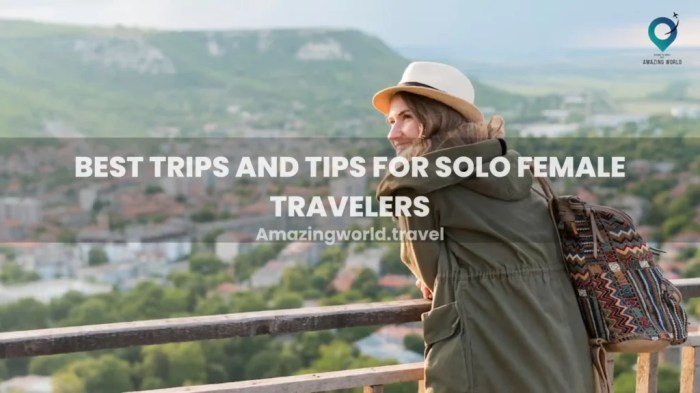
Packing efficiently for solo female travel requires careful consideration of safety, comfort, and practicality. A well-organized packing list ensures you have everything you need without carrying unnecessary weight. This section Artikels a comprehensive packing list and offers tips for efficient packing.
Clothing Essentials
Choosing versatile clothing items is key to minimizing luggage while maximizing outfit options. Prioritize fabrics that are lightweight, wrinkle-resistant, and easy to wash. Consider the climate of your destination and pack accordingly. Layering is crucial for adapting to changing temperatures.
- 4-5 versatile tops (mix of short and long sleeves)
- 2-3 pairs of bottoms (jeans, leggings, or convertible pants)
- 1 lightweight jacket or sweater
- 1 warm layer (fleece or down jacket, depending on climate)
- Underwear and socks (enough for each day plus a few extra)
- Comfortable pajamas
- Swimsuit (if applicable)
- Scarf or shawl (versatile for warmth, sun protection, or modesty)
- A versatile dress or skirt (can be dressed up or down)
Toiletries and Personal Items
Travel-sized toiletries are essential for minimizing weight and adhering to airline regulations. Opt for multi-purpose products to save space. Remember any personal medications and consider packing a small first-aid kit.
- Travel-sized toiletries (shampoo, conditioner, body wash, toothpaste, toothbrush)
- Sunscreen (high SPF)
- Insect repellent
- Moisturizer
- Medications (prescription and over-the-counter)
- Small first-aid kit (band-aids, antiseptic wipes, pain relievers)
- Feminine hygiene products
- Personal hygiene items (deodorant, makeup, etc.)
Electronics and Accessories
Technology can significantly enhance your travel experience, but it’s important to choose items carefully to avoid excess weight. Consider the functionality of each item and whether it’s truly essential.
- Smartphone with international roaming or local SIM card
- Portable charger
- Universal travel adapter
- Camera (optional, but recommended for capturing memories)
- Headphones
- E-reader (optional, for lightweight reading)
- Small flashlight
Important Documents and Travel Information
Having all necessary documents organized and readily accessible is crucial for a smooth trip. Make photocopies of important documents and store them separately from the originals.
- Passport and visa (if required)
- Flight/train tickets (printed or digital copies)
- Hotel/accommodation reservations
- Travel insurance information
- Emergency contact information
- Copies of important documents (passport, driver’s license, etc.)
- Credit cards and debit cards
- Some local currency
Packing Light and Efficiently
Rolling your clothes instead of folding them can save space and minimize wrinkles. Utilize packing cubes to organize your belongings and maximize space within your luggage. Consider using a lightweight, durable backpack or carry-on suitcase to avoid checked baggage fees and potential loss. Choosing versatile clothing items that can be mixed and matched will also help you to pack light.
Appropriate Footwear
Comfortable and supportive footwear is paramount for solo female travelers, especially if you plan on doing a lot of walking or exploring. Consider bringing a pair of comfortable walking shoes, a pair of sandals or flip-flops for casual wear, and potentially a dressier pair of shoes depending on your itinerary. Avoid breaking in new shoes on your trip; choose footwear that you have already worn and know is comfortable.
Travel Health and Wellness
Prioritizing health and well-being is paramount for solo female travelers, ensuring a safe and enjoyable journey. This section details crucial aspects of travel health, from necessary preventative measures to managing potential health challenges encountered while traveling independently. Understanding these factors will contribute significantly to a positive and worry-free solo trip.
Travel Insurance and Vaccinations
Comprehensive travel insurance is an absolute necessity for solo female travelers. It provides financial protection against unexpected medical emergencies, trip cancellations, lost luggage, and other unforeseen circumstances. The policy should cover medical evacuation, hospitalization, and repatriation, particularly crucial when traveling alone in unfamiliar territories. Furthermore, researching and obtaining necessary vaccinations well in advance of your trip is vital.
Consult your doctor or a travel clinic at least six to eight weeks before departure to discuss recommended vaccinations based on your itinerary. This may include routine immunizations like tetanus and measles, as well as region-specific vaccinations for diseases like yellow fever or typhoid. Remember to bring a copy of your vaccination records with you.
Obtaining Necessary Travel Documents and Visas
Securing the correct travel documents is a fundamental step in planning any international trip. This involves confirming your passport’s validity (it should be valid for at least six months beyond your travel dates), applying for any necessary visas, and making copies of all important documents. Visa requirements vary significantly depending on your nationality and destination. Check the visa requirements for your chosen country well in advance, as the application process can be lengthy.
Keep copies of your passport, visa, flight tickets, and other essential documents in a separate location from the originals, ideally a secure cloud storage service or emailed to a trusted contact.
Maintaining Physical and Mental Well-being
Solo travel can be incredibly rewarding, but it also requires attention to both physical and mental well-being. Maintaining a healthy diet, getting regular exercise, and prioritizing sufficient sleep are crucial for staying energized and preventing illness. Staying hydrated is especially important, particularly in hot climates. Engage in activities you enjoy to reduce stress and maintain a positive mental state.
Consider incorporating mindfulness techniques like meditation or journaling to manage stress and promote relaxation. Remember to connect with loved ones back home regularly to maintain social connections and reduce feelings of isolation.
Managing Jet Lag and Adapting to Different Time Zones
Jet lag is a common travel inconvenience that can significantly impact your enjoyment of a trip. To minimize its effects, try to adjust your sleep schedule gradually in the days leading up to your departure. On the plane, stay hydrated, avoid excessive alcohol consumption, and try to sleep as much as possible during nighttime hours in your destination’s time zone.
Upon arrival, spend time outdoors to regulate your circadian rhythm. Expose yourself to sunlight during the day and avoid bright lights at night. Avoid napping excessively during the day to help your body adjust to the new time zone more quickly. Consider using melatonin supplements, but consult your doctor beforehand.
Accommodation and Transportation
Choosing the right accommodation and transportation is crucial for a safe and enjoyable solo female travel experience. The options available offer varying levels of comfort, security, and cost-effectiveness, demanding careful consideration based on individual preferences and destination specifics. This section will explore different accommodation types and transportation methods, highlighting their advantages and disadvantages to aid in informed decision-making.
Accommodation Options for Solo Female Travelers
Selecting suitable lodging significantly impacts safety and comfort during solo travel. Hostels, hotels, and Airbnb each present unique benefits and drawbacks. The following table compares these options:
| Accommodation Type | Pros | Cons | Safety Considerations |
|---|---|---|---|
| Hostel | Budget-friendly, social atmosphere, opportunities to meet other travelers, often located centrally. | Shared rooms and facilities may compromise privacy, potential for noise, safety concerns depending on the hostel’s security measures. | Choose hostels with good reviews, female-only dorms, secure lockers, and 24/7 reception. |
| Hotel | Privacy, comfort, amenities (e.g., swimming pool, gym), enhanced security measures. | Generally more expensive than hostels or Airbnbs. | Ensure the hotel is reputable, has good security, and is located in a safe area. Consider booking through trusted platforms. |
| Airbnb | More privacy than a hostel, home-like environment, potentially cheaper than hotels, access to kitchen facilities. | Safety can vary greatly depending on the host and location; less security than a hotel; potential for scams. | Thoroughly research the host and property, read reviews carefully, verify the host’s identity, and ensure clear communication before booking. Look for listings with good security features. |
Transportation Methods for Solo Female Travelers
Selecting appropriate transportation is essential for safety and efficiency. Public transport, ride-sharing services, and car rentals each have distinct advantages and disadvantages.
Safe and Reliable Transportation Choices
Prioritizing safety when choosing transportation is paramount. This involves selecting reputable companies, utilizing well-lit and populated routes, especially at night, and being aware of surroundings. For public transport, opting for daytime travel and avoiding isolated or poorly-lit stops is advisable. When using ride-sharing services, sharing the trip details with a friend or family member, verifying the driver’s identity, and sitting in the back seat are crucial safety measures.
For car rentals, ensure the vehicle is in good condition, understand local driving laws and regulations, and park in well-lit, secure areas.
Navigating Unfamiliar Transportation Systems
Navigating unfamiliar transportation systems can be challenging. Before your trip, research the local transport options, download relevant apps (e.g., public transport apps, map apps with real-time information), and purchase tickets or passes in advance where possible. Familiarize yourself with local customs and etiquette related to public transportation. Consider using pre-booked airport transfers to avoid potential scams or confusion upon arrival.
Learning basic phrases in the local language relating to transportation can also prove invaluable. If unsure about a route, don’t hesitate to ask locals for directions or assistance.
Budgeting and Financial Planning
Planning your finances is crucial for a successful solo female travel experience. A well-structured budget ensures you can enjoy your trip without unexpected financial stress, allowing you to focus on exploring and creating lasting memories. Careful budgeting also empowers you to make informed decisions about your spending, maximizing your travel experience within your means.
Budget Template for Solo Female Travelers
Creating a personalized budget is the first step. This template allows you to allocate funds for various aspects of your trip, ensuring you stay within your financial limits. Remember to adjust these categories and amounts to fit your specific travel style and destination.
| Category | Estimated Cost | Notes |
|---|---|---|
| Accommodation (e.g., hostels, hotels, Airbnb) | $XXX per night | Consider location and amenities. |
| Transportation (flights, trains, buses, local transport) | $XXX | Factor in potential travel insurance costs. |
| Food (groceries, restaurants, street food) | $XXX per day | Research average meal costs at your destination. |
| Activities (tours, entrance fees, entertainment) | $XXX | Prioritize activities based on your interests and budget. |
| Visa/Passport Fees | $XXX | Check visa requirements well in advance. |
| Personal Spending (souvenirs, shopping, etc.) | $XXX | Set a realistic limit to avoid overspending. |
| Emergency Fund | $XXX | Essential for unexpected situations. |
| Total Estimated Cost | $XXX | Review and adjust as needed. |
Managing Finances While Traveling
Effective financial management while traveling involves utilizing various tools and strategies. This ensures secure and convenient access to your funds while minimizing the risk of theft or loss.Using travel cards, such as prepaid travel cards or credit cards with travel benefits, offers security and convenience. These cards often provide better exchange rates than exchanging cash and offer fraud protection.
Budgeting apps, available on smartphones, help track spending, set budgets, and monitor expenses in real-time. Examples include Mint, YNAB (You Need A Budget), and Personal Capital. These apps provide valuable insights into spending habits and help maintain financial discipline.
Finding Affordable Travel Deals and Discounts
Numerous resources and strategies exist to find budget-friendly travel options. Utilizing these resources can significantly reduce overall travel costs without sacrificing the quality of the experience.Websites such as Skyscanner, Google Flights, and Kayak allow comparison shopping for flights and accommodation, often revealing significant price differences. Travel aggregators like Expedia and Booking.com offer package deals that can bundle flights, hotels, and sometimes activities at discounted rates.
Consider traveling during the shoulder season (the periods between peak and off-season) for lower prices on flights and accommodation. Utilizing student or senior discounts, if applicable, can also lead to significant savings.
Saving Money While Traveling Without Compromising Safety or Comfort
Balancing cost savings with safety and comfort requires careful planning and informed choices. Prioritizing safety and comfort does not necessarily equate to increased expenditure.Staying in hostels or guesthouses instead of hotels can significantly reduce accommodation costs. Preparing some meals yourself, utilizing local markets and grocery stores, reduces reliance on expensive restaurants. Taking advantage of free activities like walking tours, visiting parks, and exploring local markets can provide enriching experiences at minimal cost.
Prioritizing safety involves using reputable transportation options, informing someone of your itinerary, and being aware of your surroundings. Comfort can be maintained by choosing comfortable, practical clothing and packing appropriately for the climate.
Connecting with Other Travelers
Embarking on a solo journey can be incredibly rewarding, but connecting with fellow travelers can significantly enhance the experience. Building a network of like-minded individuals can lead to shared adventures, lasting friendships, and a greater sense of security while exploring new places. There are various avenues to explore when seeking connections with others during your travels.This section details effective methods for meeting other travelers, highlighting the advantages of organized group activities, and offering strategies for safe interactions with new acquaintances.
It emphasizes building genuine connections while prioritizing personal safety.
Utilizing Social Media and Online Forums
Social media platforms and online forums dedicated to travel offer invaluable opportunities to connect with other travelers. Groups focused on specific destinations or travel styles can provide a wealth of information, tips, and opportunities to meet fellow adventurers. Facebook groups, for example, often host threads where travelers coordinate meetups, share experiences, and offer practical advice. Reddit’s travel subreddits also provide similar platforms for connection and information sharing.
Many forums cater to solo female travelers specifically, offering a supportive and informative community. Participating actively, asking questions, and sharing your own experiences are key to building connections within these online communities. Remember to be mindful of sharing personal information online, and always prioritize your safety.
Benefits of Joining Organized Tours and Group Activities
Organized tours and group activities provide structured environments perfect for meeting like-minded individuals. Walking tours, cooking classes, or day trips to nearby attractions offer opportunities for interaction in a safe and engaging setting. These activities often involve smaller groups, fostering a sense of camaraderie and shared experiences. The shared experiences and structured environment can ease the initial awkwardness of meeting strangers, allowing for natural conversation and bonding.
Examples include guided hiking tours where participants often share stories and experiences throughout the journey, or language exchange meetups where travelers can practice their language skills and learn about different cultures. The inherent structure of these activities provides a comfortable setting for forming new friendships.
Strategies for Meeting New People and Making Friends
While organized tours are helpful, spontaneous encounters can also lead to memorable connections. Staying in hostels, participating in free walking tours, or attending local events are excellent ways to meet other travelers. Striking up conversations in common areas like hostel lounges or during shared activities can be a great starting point. Showing genuine interest in others, actively listening, and sharing your own experiences can foster deeper connections.
Remember that a simple “hello” or a comment about the surroundings can initiate a conversation. Joining a group for a specific activity, such as a yoga class or a cooking workshop, creates a natural context for interaction and shared interests. For example, joining a local hiking group can lead to lasting friendships built on shared passions and adventures.
Safe Interactions with Strangers
Prioritizing personal safety is paramount when meeting new people while traveling. Always meet in public places for initial encounters, and inform someone you trust about your plans. Trust your instincts; if a situation feels uncomfortable, remove yourself from it. Avoid sharing excessive personal information with strangers, and be cautious about accepting unsolicited invitations or offers. Utilize buddy systems whenever possible, especially when exploring unfamiliar areas at night.
Remember that being aware of your surroundings and taking preventative measures are crucial aspects of safe travel. Sharing your location with a friend or family member via a location-sharing app can provide an extra layer of security.
Ultimately, solo female travel is an empowering experience that fosters independence, self-discovery, and a deeper appreciation for the world. By carefully considering the safety, logistical, and financial aspects of your trip, and by embracing the opportunities to connect with other travelers and explore new cultures, you can create a truly unforgettable adventure. Remember to prioritize your well-being, stay informed, and embrace the journey – your solo trip awaits!
Answers to Common Questions
What’s the best way to share my itinerary with loved ones?
Use a shared Google Doc or a travel-specific app that allows real-time location sharing. Update it regularly.
How can I avoid pickpockets while traveling?
Be mindful of your surroundings, keep valuables close, and use crossbody bags or hidden pockets.
What are some good resources for finding affordable accommodation?
Hostelworld, Booking.com, and Airbnb offer a range of budget-friendly options. Consider looking for deals and discounts.
What should I do if I experience a medical emergency while traveling?
Contact your travel insurance provider immediately. Seek medical attention at a reputable clinic or hospital.
How can I meet other solo female travelers?
Join Facebook groups, online forums, or consider booking group tours or activities specifically designed for solo travelers.


