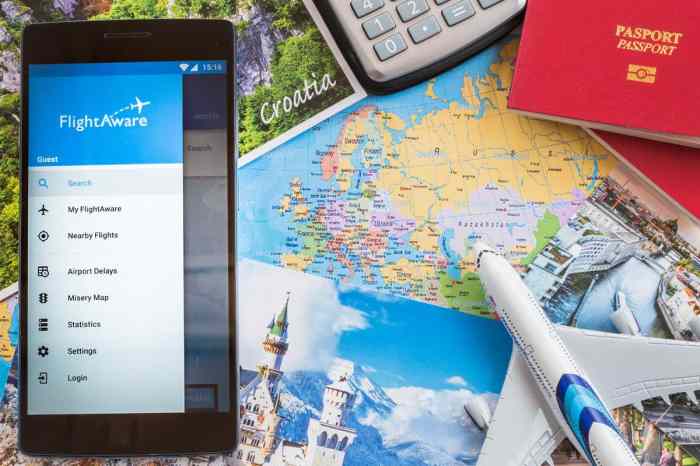
Navigating the complexities of air travel, with its inherent potential for delays and disruptions, can be stressful. Fortunately, a new generation of travel apps offers sophisticated flight tracking and proactive strategies to help minimize the impact of unexpected events. These apps leverage real-time data, push notifications, and user-friendly interfaces to empower travelers with the information they need to make informed decisions and potentially avoid costly and frustrating delays.
This exploration delves into the capabilities of top flight tracking apps, comparing their features and user experiences. We’ll also examine proactive strategies travelers can implement to reduce the likelihood of encountering flight delays, along with practical advice for managing disruptions should they occur. From understanding the impact of delays on both finances and well-being to utilizing helpful resources like travel insurance, this guide provides a comprehensive overview of navigating air travel more efficiently and calmly.
Top Travel Apps for Flight Tracking
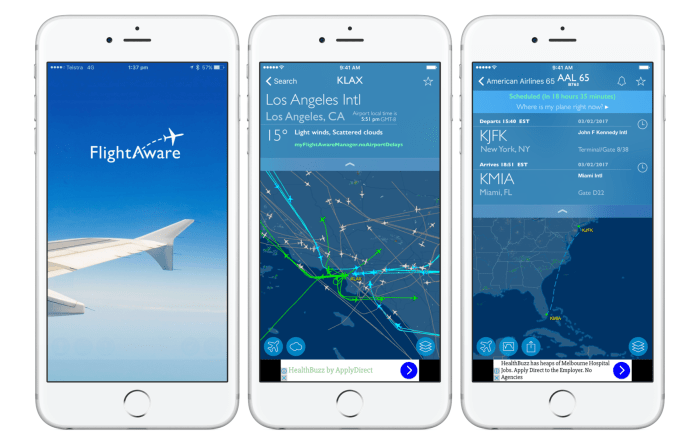
Staying informed about your flight’s status is crucial for a smooth travel experience. Flight tracking apps offer real-time updates, minimizing stress and maximizing efficiency. This section will explore some of the leading apps available, comparing their features and user experience.
Top 5 Flight Tracking Apps
Choosing the right flight tracking app depends on individual needs and preferences. The following table summarizes five popular options, considering their key features, user ratings (based on average scores across major app stores), and platform compatibility. Note that user ratings fluctuate and should be considered as a general indicator.
| App Name | Key Features | User Rating (Approximate) | Platform Compatibility |
|---|---|---|---|
| FlightAware | Real-time flight tracking, delay alerts, flight status history, airport information, flight tracking map, advanced search filters. | 4.5 stars | iOS, Android, Web |
| Flightradar24 | Real-time flight tracking with detailed aircraft information, flight path visualization, airport delays, notifications, world map view. | 4.6 stars | iOS, Android, Web |
| Google Flights | Flight tracking integrated with other Google services, price tracking, flight alerts, calendar view, easy access to booking information. | 4.4 stars | iOS, Android, Web |
| Flttr | Flight tracking, real-time updates, baggage tracking (some airlines), flight sharing with friends and family, personalized dashboards. | 4.3 stars | iOS, Android |
| Airline apps (e.g., United, Delta, etc.) | Flight status, check-in, baggage tracking, seat selection, loyalty program integration, customer support. Features vary widely by airline. | Ratings vary by airline, generally 3.5-4.5 stars | iOS, Android, Web |
Comparison of FlightAware and Flightradar24
FlightAware and Flightradar24 are two leading flight tracking apps with substantial overlap in functionality. FlightAware excels in its comprehensive data and advanced search capabilities, allowing users to filter flights based on various criteria. Its user interface, however, can be perceived as slightly less intuitive than Flightradar24’s. Flightradar24, on the other hand, offers a more visually appealing and user-friendly interface, making it easier to navigate and understand flight information at a glance.
Its strength lies in its intuitive design and real-time map visualization of flights. However, some users find its advanced search features less robust compared to FlightAware.
User Interface and User Experience (UI/UX) Design of Three Apps
The UI/UX design significantly impacts a user’s experience. Flightradar24 prioritizes a clean, visually engaging interface with a focus on the real-time flight map. The map is central to the app, with clear flight paths and easily identifiable aircraft icons. Information is presented concisely, ensuring quick access to crucial details. Google Flights integrates flight tracking seamlessly into its broader travel planning ecosystem.
Its design is minimalist and functional, prioritizing ease of use and integration with other Google services. This approach is efficient but may lack the visual richness of Flightradar24. In contrast, FlightAware presents a more data-heavy interface. While offering detailed information, this approach can sometimes feel overwhelming for casual users, requiring a steeper learning curve to fully utilize its features.
Avoiding Flight Delays
Minimizing flight disruptions is a key concern for modern travelers. While delays are sometimes unavoidable, proactive planning and the utilization of modern technology can significantly reduce the likelihood of experiencing them. This section details practical strategies and showcases real-world examples of how effective flight tracking apps have helped travelers navigate potential delays.
Effective flight delay avoidance relies on a combination of pre-flight preparation, real-time monitoring, and informed decision-making. By employing these strategies, travelers can significantly improve their chances of reaching their destination on time and with minimal stress.
Proactive Strategies for Minimizing Flight Delays
Several proactive steps can dramatically decrease the chances of encountering flight delays. These strategies focus on both pre-flight planning and in-the-moment adaptability.
- Book flights with reputable airlines known for on-time performance: Airlines have varying on-time arrival records. Researching and choosing airlines with a strong history of punctuality can significantly reduce your risk of delays.
- Choose less congested airports and times: Airports and times of day experience varying levels of congestion. Opting for less busy airports and flying during off-peak hours can minimize delays associated with air traffic.
- Monitor weather conditions and potential disruptions: Checking weather forecasts for both your departure and arrival cities is crucial. Severe weather is a major cause of delays, and early awareness allows for contingency planning.
- Allow ample time for airport procedures: Rushing through security and boarding can contribute to missed flights. Building in extra time for potential delays at each stage of the airport process reduces stress and mitigates the risk of missing your flight.
- Enroll in airline and airport notifications: Many airlines and airports offer email or app-based notifications regarding flight status changes. These alerts provide real-time updates, allowing you to react quickly to potential disruptions.
Real-World Examples of Flight Tracking Apps in Action
Several real-world scenarios demonstrate the value of flight tracking apps in avoiding or mitigating flight delays.
- Scenario 1: A business traveler using FlightAware received a notification about a potential delay due to bad weather at their connecting airport. The app allowed them to proactively contact the airline, rebook a flight on a different airline with a later departure time, and ultimately arrive at their destination only a few hours behind schedule, instead of significantly later or missing a crucial meeting.
- Scenario 2: A family traveling with young children used Flightradar24 to track their flight’s progress in real-time. When they noticed an unexpected delay, they were able to adjust their plans for airport activities and ensure the children remained comfortable and entertained, minimizing stress during the unexpected wait.
- Scenario 3: A tourist using a flight tracking app was alerted to a gate change for their international flight. This early warning allowed them to navigate the airport efficiently and reach their new gate with plenty of time before boarding, avoiding a potential missed flight due to confusion or disorientation.
Infographic: Reducing Flight Delays
The infographic would be visually appealing and easy to understand, employing a three-column layout representing “Before Flight,” “During Flight,” and “After Flight.” Each column would contain several key steps, illustrated with simple icons. The “Before Flight” column might include icons representing online check-in, baggage preparation, weather monitoring, and flight tracking app setup. The “During Flight” column would showcase icons for real-time flight tracking, in-flight entertainment options (to distract from delays), and communication with family/friends.
The “After Flight” column would include icons representing baggage claim tracking, transportation arrangements, and feedback submission to the airline. The color scheme would be calming and professional, with clear font choices to ensure readability. The infographic would employ a clear visual hierarchy, with the three main sections prominently displayed, and steps within each section logically ordered. A concise title, “Mastering Your Travel: Avoiding Flight Delays,” would be at the top, with a brief tagline at the bottom encouraging proactive travel planning.
Features of Effective Flight Tracking Apps
Choosing the right flight tracking app can significantly reduce travel stress. A truly effective app goes beyond simply displaying flight status; it proactively assists travelers in navigating potential disruptions. Several key features distinguish the best apps from the rest.Real-time flight data integration is paramount for effective flight tracking and delay avoidance. This feature allows the app to continuously update flight information, pulling data directly from air traffic control and airline systems.
Real-time Flight Data Integration and Delay Avoidance
Real-time data integration is crucial because it provides users with the most up-to-the-minute information on their flight’s status. This includes any delays, gate changes, or cancellations. With this immediate access to information, travelers can make informed decisions. For example, if a delay is predicted, a user can proactively contact their hotel to adjust their check-in time or notify colleagues of a meeting postponement.
This immediacy minimizes disruption and allows for better time management. The speed of updates is vital; a delay of even a few minutes in receiving information can mean the difference between catching a connecting flight and missing it.
Push Notifications and Alert Systems
Push notifications and alert systems are indispensable features in a flight tracking app. These systems send immediate alerts to the user’s device whenever a significant change occurs with their flight. This could include delay announcements, gate changes, cancellations, or even weather-related updates affecting their flight’s route. The value of these alerts lies in their proactive nature; the user doesn’t need to constantly check the app for updates.
For instance, a notification about a gate change allows the traveler to adjust their plans promptly, preventing them from getting lost or arriving late at the gate. Similarly, a notification about a cancellation allows the user to immediately begin the process of rebooking or seeking alternative travel arrangements.
Comprehensive Flight Information Display
A well-designed app should clearly display all relevant flight details in an easily digestible format. This includes the flight number, airline, departure and arrival times (both scheduled and actual), departure and arrival airports, gate information, and the current flight status (on time, delayed, cancelled, etc.). The layout should be intuitive and user-friendly, making it simple to quickly grasp the essential information.
A good example would be a clear color-coded system to instantly indicate whether a flight is on time, delayed, or cancelled.
Offline Functionality
While real-time data is key, offline functionality adds a crucial layer of resilience. Many airports have limited or unreliable Wi-Fi access. An app with offline capabilities can continue to display the last known flight status even without an internet connection. This ensures that users always have some level of information available, even in areas with poor connectivity.
For example, if a flight is delayed and the user has downloaded the flight details beforehand, they will still be able to see this information while waiting at the gate, even if their phone loses connection.
Integration with Other Travel Services
Effective flight tracking apps often integrate with other travel services, such as ride-sharing apps, hotel booking platforms, or ground transportation services. This integration allows users to seamlessly manage various aspects of their trip from within the app. For example, if a flight is significantly delayed, the app could automatically adjust a pre-booked ride-sharing service to match the new arrival time.
This level of integration streamlines the travel experience and helps to minimize the inconvenience of unexpected delays.
Impact of Flight Delays on Travelers
Flight delays represent a significant disruption for travelers, extending beyond mere inconvenience to encompass substantial financial and emotional repercussions. The cascading effects of even a short delay can ripple through a traveler’s itinerary, impacting connecting flights, pre-booked accommodations, and planned activities, ultimately leading to considerable stress and unforeseen expenses.The financial consequences of flight delays can be considerable. Missed connections often necessitate purchasing new tickets, potentially at a higher price, particularly if the traveler is forced to rebook on a different airline.
Furthermore, delays can lead to missed hotel reservations, resulting in additional accommodation costs. Lost wages due to missed business meetings or work commitments are also a common consequence, and the cost of unexpected meals and transportation while stranded at the airport adds to the financial burden. Beyond the tangible costs, the emotional toll can be substantial, causing anxiety, frustration, and even anger, particularly when adequate communication and support from airlines are lacking.
Airline Handling of Flight Disruptions and Passenger Compensation
Airlines typically respond to flight disruptions according to their own policies and the applicable regulations of the country where the disruption occurs. Common responses include offering alternative flights, providing meals and refreshments to stranded passengers, and arranging hotel accommodations if delays extend overnight. Compensation for delays, however, is less consistent. While some airlines offer vouchers or discounts on future flights as a gesture of goodwill, legally mandated compensation is dependent on factors such as the length of the delay, the reason for the delay, and the specific regulations of the jurisdiction involved.
For example, under EU Regulation 261/2004, passengers are entitled to compensation for significant delays within the European Union, while regulations in other parts of the world vary considerably. Airlines may also offer waivers on baggage fees or other services as a means of mitigating passenger dissatisfaction. The specifics of compensation often depend on the cause of the delay; delays caused by unforeseen circumstances, such as severe weather, are less likely to result in compensation than delays caused by airline operational issues.
Handling Flight Delays: A Step-by-Step Guide
Navigating flight delays effectively requires a proactive and organized approach. Knowing your rights and having a plan in place can significantly reduce the stress and potential financial impact.
- Stay Informed: Monitor your flight status regularly through the airline’s website or app, as well as through flight tracking apps. Be aware of any updates or changes regarding your flight.
- Contact the Airline: If your flight is delayed, contact the airline immediately. Inquire about the expected delay duration, the reason for the delay, and the airline’s plan to address the situation.
- Document Everything: Keep records of all communication with the airline, including emails, text messages, and any documentation related to expenses incurred due to the delay (e.g., receipts for meals, hotels).
- Explore Rebooking Options: If the delay is significant, explore options for rebooking on a later flight. The airline may offer alternative flights without additional cost, but be prepared to pay for rebooking if necessary.
- Claim Compensation (if applicable): Familiarize yourself with the applicable regulations concerning passenger rights and compensation for flight delays in your jurisdiction. If you believe you are entitled to compensation, follow the airline’s procedure for submitting a claim, providing all necessary documentation.
- Utilize Travel Insurance: If you have travel insurance, review your policy to determine if it covers expenses related to flight delays, such as hotel accommodations or meals. File a claim with your insurance provider, providing all supporting documentation.
Exploring Related Travel Aspects
Planning a trip involves much more than just booking flights; it encompasses various elements that contribute to a smooth and enjoyable experience. Understanding these related aspects allows for a more comprehensive and rewarding travel journey. This section explores key areas impacting your travel plans, from choosing destinations to protecting your investment.
Popular Travel Destinations by Region
Choosing a travel destination often depends on personal preferences and the time of year. Here’s a selection of popular destinations categorized by region to help inspire your next adventure.
- Europe: Paris (France), Rome (Italy), Barcelona (Spain), London (England), Amsterdam (Netherlands)
- Asia: Tokyo (Japan), Bangkok (Thailand), Singapore, Kyoto (Japan), Hong Kong
- North America: New York City (USA), Los Angeles (USA), Toronto (Canada), Vancouver (Canada), New Orleans (USA)
- South America: Rio de Janeiro (Brazil), Machu Picchu (Peru), Buenos Aires (Argentina), Cartagena (Colombia), Cusco (Peru)
- Africa: Cape Town (South Africa), Marrakech (Morocco), Cairo (Egypt), Nairobi (Kenya), Serengeti National Park (Tanzania)
Essential Travel Essentials
Packing efficiently is crucial for a comfortable trip. These five items are fundamental for most journeys.
- Passport/Visa: Essential for international travel, ensuring legal entry and exit from countries.
- Travel Insurance: Provides financial protection against unforeseen events like medical emergencies, trip cancellations, or lost luggage.
- Comfortable Shoes: Crucial for walking and exploring, preventing discomfort during long days of sightseeing.
- Universal Adapter: Ensures compatibility with various electrical outlets, avoiding power issues for electronic devices.
- Medications (if needed): Carrying essential prescriptions and over-the-counter medications avoids potential problems in unfamiliar locations.
Travel Insurance Benefits and Types
Travel insurance offers peace of mind by mitigating risks associated with unforeseen circumstances during a trip. Different types cater to specific needs. Comprehensive plans cover medical emergencies, trip cancellations, lost luggage, and more. Basic plans may only cover specific aspects, such as medical expenses. The choice depends on the trip’s duration, destination, and personal risk tolerance.
For instance, a trip to a remote area may require more extensive coverage than a short city break.
Examples of Travel Deals and Discounts
Numerous opportunities exist to save money on travel. Websites like Expedia, Kayak, and Skyscanner frequently offer discounted flights and hotel packages. Travel agencies often have exclusive deals, and subscribing to newsletters from airlines and hotels can alert you to sales and promotions. Flash sales and last-minute deals can provide significant savings, though they require flexibility. Consider utilizing reward programs and loyalty points to accumulate discounts on future bookings.
Short Travel Guide: Kyoto, Japan
Kyoto, Japan, offers a blend of ancient temples, serene gardens, and vibrant culture. Transportation includes efficient public transport (buses and trains), and taxis are readily available. Accommodation ranges from traditional Ryokans (Japanese inns) to modern hotels. Local customs include bowing as a greeting, removing shoes before entering homes and some temples, and being mindful of noise levels in public spaces.
Key attractions include Fushimi Inari Shrine (thousands of red gates), Kinkaku-ji (Golden Pavilion), and Arashiyama Bamboo Grove.
Advantages and Disadvantages of Using Travel Blogs and Apps
Travel blogs and apps offer valuable resources for trip planning. Blogs provide personal experiences and insights, often showcasing unique perspectives and hidden gems. However, information may not always be up-to-date. Travel apps offer convenience, consolidating flight and hotel bookings, providing maps and navigation, and offering real-time information. However, reliance on technology can lead to issues with connectivity and app malfunctions.
Innovative Travel Gadgets
Technology continues to enhance the travel experience. Examples include portable power banks for charging devices, noise-canceling headphones for peaceful travel, travel-sized water purifiers for safe drinking water, GPS trackers for luggage, and smart suitcases with built-in scales and charging capabilities. These gadgets improve comfort, safety, and convenience during journeys.
In conclusion, mastering air travel in the age of technology involves leveraging the power of flight tracking apps and proactive planning. By understanding the features of effective apps, employing preventative strategies, and knowing how to handle unexpected disruptions, travelers can significantly reduce the stress and potential negative consequences associated with flight delays. The journey to a smoother, more enjoyable travel experience begins with informed choices and the right tools at your disposal.
Remember to always check your flight status, be prepared for the unexpected, and consider the value of travel insurance for added peace of mind.
FAQ Corner
What information should I provide to a flight tracking app?
Typically, you’ll need your flight number and airline. Some apps may also ask for your departure and arrival airports.
Are flight tracking apps always accurate?
While generally reliable, flight data can sometimes be inaccurate due to unforeseen circumstances. Always check with the airline for official updates.
Can flight tracking apps help me find alternative flights if mine is delayed?
Some apps integrate with flight search engines, allowing you to explore alternative flights if your original flight is significantly delayed or canceled.
Do all flight tracking apps offer push notifications?
Most reputable flight tracking apps offer push notifications, but it’s always best to check the app’s features before downloading.


