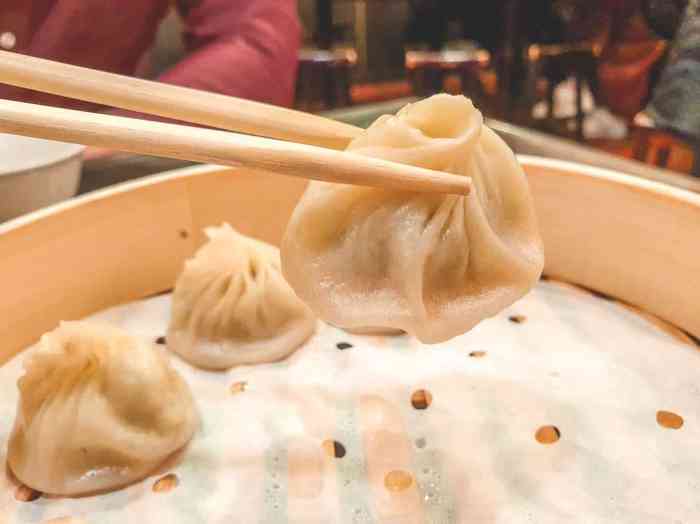
Embark on a culinary adventure across Asia, a continent bursting with diverse flavors and vibrant food cultures. From the bustling street food stalls of Southeast Asia to the refined culinary traditions of East Asia and the aromatic spices of South Asia, a food lover’s journey through Asia promises an unforgettable experience. This exploration delves into the best destinations, highlighting unique dishes, cultural significance, and practical tips for planning your epicurean escape.
This article guides you through the best destinations in Asia for food enthusiasts, offering a comprehensive overview of the culinary landscapes in Southeast, East, South, and Central Asia. We’ll explore regional variations, highlight key dishes, and provide practical tips for planning your food-focused adventure, ensuring an authentic and memorable culinary journey.
Best Asian Food Destinations
Imagine a culinary journey where the aroma of sizzling street food mingles with the delicate fragrance of Michelin-starred cuisine; where ancient traditions meet modern innovations, creating a symphony of flavors that tantalize the taste buds and awaken the soul. Asia, a continent of breathtaking diversity, offers precisely this – a feast for the senses unlike any other. This article explores some of the best destinations in Asia for those passionate about discovering authentic and unforgettable food experiences.
We’ll delve into the unique culinary landscapes of several countries, highlighting specific dishes, regions, and cultural contexts that make each location a must-visit for the discerning food lover.This exploration will focus on destinations renowned for their culinary richness and accessibility, considering both iconic dishes and hidden culinary gems. We will examine the unique cultural aspects intertwined with the food, providing a deeper understanding of the culinary heritage of each region.
The emphasis will be on providing practical insights for the food-focused traveler, enabling you to plan an unforgettable gastronomic adventure.
Thailand: A Kingdom of Flavors
Thailand offers a vibrant tapestry of culinary experiences, from the bustling street food stalls of Bangkok to the refined restaurants of Chiang Mai. The balance of sweet, sour, salty, and spicy is a hallmark of Thai cuisine, with each region boasting its own unique specialties. Northern Thailand, for instance, is known for its richer, more intensely flavored dishes, often incorporating ingredients like ginger, galangal, and lemongrass.
Southern Thailand, influenced by Malaysian and Indonesian flavors, showcases curries with a distinct emphasis on seafood and coconut milk. Bangkok’s street food scene is legendary, offering an affordable and incredibly diverse range of dishes, from Pad Thai and green curry to mango sticky rice and various noodle soups. The country’s numerous fresh markets also provide a fascinating insight into the ingredients that form the foundation of Thai cuisine.
Japan: A Culinary Masterclass
Japan’s culinary scene is renowned globally for its precision, artistry, and seasonal focus. From the delicate artistry of sushi and sashimi to the comforting warmth of ramen and the intricate preparation of kaiseki meals, Japanese cuisine showcases a deep respect for ingredients and meticulous attention to detail. Different regions of Japan offer distinct culinary specialities; for example, Osaka is known for its okonomiyaki (savory pancake) and takoyaki (octopus balls), while Kyoto is celebrated for its traditional kaiseki cuisine and exquisite sweets.
Beyond the iconic dishes, exploring regional specialties and local markets offers a truly immersive culinary experience, revealing the depth and diversity of Japanese gastronomy. The emphasis on fresh, seasonal ingredients is a key element that distinguishes Japanese cuisine, resulting in dishes that are both visually stunning and incredibly flavorful.
Vietnam: A Journey Through Flavors
Vietnamese cuisine is characterized by its fresh herbs, vibrant flavors, and skillful use of spices. The country’s long coastline contributes significantly to its culinary landscape, with seafood featuring prominently in many dishes. From the fragrant pho noodle soup to the flavorful banh mi sandwiches and the refreshing summer rolls, Vietnamese cuisine offers a delightful array of textures and tastes.
Northern Vietnam, with its French colonial influence, boasts a more refined style, while central and southern Vietnam showcase spicier and sweeter dishes, reflecting the regional variations in ingredients and cooking styles. Exploring the bustling street food markets of Hanoi or Ho Chi Minh City is an essential part of any culinary journey through Vietnam. The vibrant energy of these markets, coupled with the incredible variety of dishes on offer, provides an unforgettable experience for food enthusiasts.
Southeast Asia
Southeast Asia offers an unparalleled culinary journey, boasting a vibrant tapestry of flavors, textures, and traditions shaped by centuries of cultural exchange and regional influences. From the fiery curries of Thailand to the delicate freshness of Vietnamese cuisine and the multicultural fusion of Singaporean fare, the region presents a feast for the senses unlike any other. This exploration delves into the unique culinary landscapes of Thailand, Vietnam, and Singapore, highlighting their distinct characteristics and comparing their captivating street food scenes.
Culinary Traditions of Thailand, Vietnam, and Singapore
Thailand’s cuisine is renowned for its balance of sweet, sour, salty, and spicy flavors. Dishes like Pad Thai (stir-fried rice noodles with shrimp or chicken), Tom Yum soup (a spicy and sour lemongrass soup), and Massaman curry (a rich and creamy curry with peanuts and potatoes) showcase this masterful blend. Vietnam’s cuisine, on the other hand, emphasizes fresh herbs, delicate broths, and the use of rice as a staple.
Pho (a flavorful beef noodle soup), Goi Cuon (fresh spring rolls), and Banh Mi (a savory baguette sandwich) are iconic examples. Singapore, a melting pot of cultures, boasts a unique culinary identity that combines Chinese, Malay, Indian, and European influences. Dishes like Chili Crab (stir-fried crab in a spicy tomato-based sauce), Hainanese Chicken Rice (poached chicken served with fragrant rice), and Laksa (a spicy noodle soup) exemplify this fusion.
Street Food Scenes in Thailand, Vietnam, and Singapore
The street food scenes in these three countries are vibrant and integral parts of their culinary cultures. Thailand’s street food stalls offer an incredible array of options, from Pad See Ew (stir-fried wide rice noodles) to mango sticky rice, often prepared and served with incredible speed and efficiency. Vietnam’s street food is equally diverse, with countless vendors selling everything from Banh Xeo (crispy savory pancakes) to fresh fruit shakes.
The atmosphere is often bustling and lively, reflecting the country’s energetic spirit. Singapore’s hawker centers, organized and clean food courts, offer a more structured yet equally exciting street food experience. These centers provide a wide variety of cuisines, from satay (grilled meat skewers) to Indian rojak (a fruit and vegetable salad with a spicy sauce). While all three countries offer incredible street food, the level of organization and hygiene varies, with Singapore’s hawker centers often cited as exemplary.
Regional Variations in Thai, Vietnamese, and Singaporean Cuisine
Significant regional variations exist within each country. In Thailand, the north features dishes with more emphasis on herbs and spices, while the south showcases the influence of Malay cuisine with richer curries and seafood dishes. Similarly, Vietnam’s culinary landscape differs significantly between the north and south, with northern dishes tending towards simpler preparations and the south featuring sweeter and richer flavors.
In Singapore, the different ethnic enclaves each contribute their own unique culinary traditions, leading to a highly diverse culinary landscape within a relatively small geographical area. For example, Little India offers a completely different experience compared to Chinatown.
Comparison of Key Dishes
| Dish | Country | Price Range (USD) | Cultural Significance |
|---|---|---|---|
| Pad Thai | Thailand | $2 – $8 | National dish, represents the balance of Thai flavors. |
| Tom Yum Soup | Thailand | $3 – $10 | Popular comfort food, reflects the use of fresh herbs and spices. |
| Pho | Vietnam | $2 – $6 | National dish, symbolizes Vietnamese culinary identity. |
| Goi Cuon | Vietnam | $1 – $4 | Light and refreshing, represents the use of fresh ingredients. |
| Chili Crab | Singapore | $20 – $40 | Iconic Singaporean dish, symbolizes the nation’s multicultural identity. |
| Hainanese Chicken Rice | Singapore | $5 – $15 | Popular comfort food, showcases the fusion of Chinese and Malay influences. |
East Asia
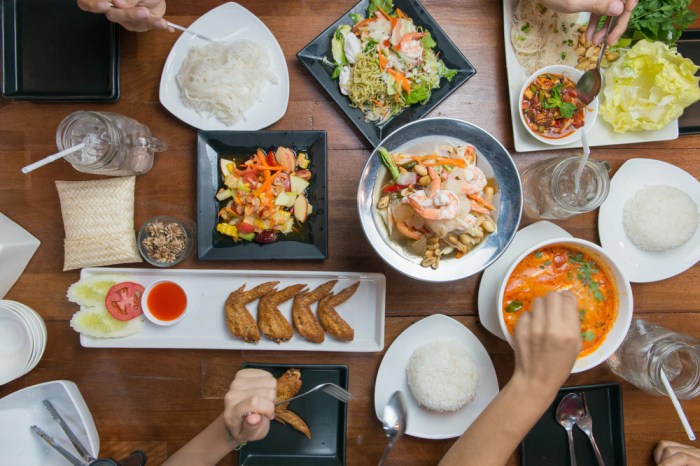
East Asia offers a captivating culinary journey, showcasing the diverse flavors and traditions of Japan, China, and Korea. Each country boasts a unique culinary landscape shaped by its history, geography, and cultural practices, resulting in a rich tapestry of tastes and techniques. Exploring these gastronomic landscapes provides a deeper understanding of the cultural values and societal structures of these fascinating nations.
Japanese Cuisine: A Symphony of Flavors and Presentation
Japanese cuisine is renowned for its emphasis on freshness, seasonality, and exquisite presentation. Dishes often highlight the natural flavors of high-quality ingredients, with a focus on balance and harmony. The cultural significance of food in Japan is deeply rooted in tradition and ritual, with meticulous preparation and presentation reflecting respect for both the ingredients and the diners. Meals are often considered an important social occasion, fostering connection and strengthening relationships.Japan’s culinary artistry is evident in three distinct dishes: Sushi, a globally recognized dish featuring vinegared rice combined with various ingredients, most commonly raw fish, but also including vegetables, eggs, and other seafood; Ramen, a hearty noodle soup featuring wheat noodles in a flavorful broth, often enriched with pork, soy sauce, or miso; and Tempura, a light and crispy deep-fried dish, typically consisting of seafood and vegetables battered in a light tempura batter.
The preparation of tempura, for example, requires precise control of the oil temperature and batter consistency to achieve the desired lightness and crispness.Essential Food Experiences in Japan:
- Enjoy a traditional Kaiseki meal, a multi-course haute cuisine experience showcasing seasonal ingredients.
- Indulge in a Ramen tasting tour, sampling various broths and toppings from different regions.
- Visit a Tsukiji Outer Market (or its successor) for a vibrant and bustling seafood market experience.
Chinese Cuisine: A Vast and Varied Culinary Landscape
Chinese cuisine is incredibly diverse, varying significantly from region to region, reflecting the vast geographical expanse and diverse cultural influences within the country. Food holds a central position in Chinese culture, representing family, celebrations, and social gatherings. Many dishes have symbolic meanings associated with auspicious occasions or specific cultural beliefs. The art of Chinese cooking encompasses a wide range of techniques, including stir-frying, steaming, braising, and deep-frying, resulting in a remarkable variety of flavors and textures.Three unique dishes represent this diversity: Peking Duck, a culinary masterpiece involving a meticulously roasted duck with crispy skin and tender meat, traditionally served with pancakes, scallions, and sweet bean sauce; Mapo Tofu, a spicy and savory Sichuan dish made with silken tofu, ground pork, and a complex blend of spices including fermented black beans and Sichuan peppercorns; and Xiao Long Bao, delicate soup dumplings filled with flavorful broth and minced pork, requiring skilled technique to create the thin, translucent wrapper and perfectly sealed filling.Essential Food Experiences in China:
- Explore the bustling night markets and street food stalls for a taste of local specialties.
- Take a cooking class to learn the art of preparing authentic Chinese dishes.
- Visit a tea house for a traditional tea ceremony and sample various types of tea.
Korean Cuisine: A Balance of Flavor and Texture
Korean cuisine is characterized by its vibrant flavors, a balance of spicy, savory, and sweet notes, and the artful combination of textures. Food plays a vital role in Korean culture, often reflecting social hierarchy and family values. Meals are frequently shared communally, emphasizing the importance of togetherness and shared experiences. The use of fermentation in Korean cooking is particularly notable, resulting in unique flavors and textures in dishes like kimchi.Three examples of Korean culinary excellence include: Kimchi, a staple side dish made from fermented napa cabbage and gochugaru (Korean chili powder), whose flavor profiles vary widely depending on the ingredients and fermentation process; Bibimbap, a colorful mixed rice bowl with various ingredients including vegetables, meat (often beef), a fried egg, and gochujang (Korean chili paste); and Bulgogi, thinly sliced marinated beef grilled to perfection, often served with various side dishes and rice.
The marination process for Bulgogi, involving soy sauce, garlic, ginger, and other spices, is crucial in tenderizing the meat and developing its distinctive flavor.Essential Food Experiences in Korea:
- Enjoy a traditional Korean BBQ experience, grilling marinated meats at your table.
- Sample a variety of Kimchi, experiencing the diverse range of flavors and textures.
- Indulge in a hearty bowl of Korean stew (jjigae), choosing from various options like kimchi jjigae or sundubu jjigae.
South Asia
India, a land of vibrant cultures and diverse landscapes, offers an equally captivating culinary journey. From the bustling street food stalls to the refined restaurants, Indian cuisine is a symphony of flavors, textures, and aromas, shaped by centuries of history and regional variations. Exploring this vast and complex food landscape reveals a tapestry of unique tastes and traditions, making it a must-visit for any serious food enthusiast.
The regional diversity of Indian cuisine is perhaps its most striking feature. Each region boasts distinct culinary traditions, reflecting the local geography, climate, and cultural influences. The north, for example, is known for its rich use of cream, butter, and nuts in dishes like butter chicken and Rogan Josh, while the south favors lighter, more subtly spiced dishes incorporating coconut milk, lentils, and rice.
The west showcases the influence of coastal cuisine with seafood playing a prominent role, and the east highlights the use of mustard oil and a blend of sweet and sour flavors.
The Art of Tandoor Cooking
Tandoor cooking is a quintessential Indian technique that utilizes a cylindrical clay oven. This ancient method, dating back centuries, produces uniquely flavorful dishes. The tandoor oven is heated to extremely high temperatures, often exceeding 500°F (260°C), creating a searing heat that cooks food quickly and evenly. The intense heat not only cooks the food but also imparts a smoky, slightly charred flavor, which is a hallmark of tandoor-cooked dishes.
The process involves placing marinated meats, vegetables, or breads directly onto the hot walls of the oven, where they cook rapidly. The result is food with a tender interior and a slightly crisp exterior, a texture impossible to replicate with other cooking methods. Popular tandoor dishes include tandoori chicken, naan bread, and various kebabs. The unique flavor profile of tandoor-cooked food is a testament to the ingenuity and enduring legacy of this ancient cooking technique.
Popular Indian Dishes and Their Key Ingredients
| Dish | Key Ingredients |
|---|---|
| Butter Chicken | Chicken, tomatoes, butter, cream, garam masala, ginger, garlic |
| Rogan Josh | Lamb, yogurt, onions, garlic, ginger, Kashmiri chili powder, garam masala |
| Palak Paneer | Spinach, paneer (Indian cheese), onions, garlic, ginger, green chilies, cream |
| Biryani | Rice, meat (or vegetables), onions, yogurt, spices (saffron, cardamom, cloves), herbs |
| Samosas | Potatoes, peas, spices, pastry dough |
| Dosa | Rice batter, lentil batter, coconut chutney, sambar |
Central Asia
Central Asia, often overlooked in favor of its more established neighbors, offers a captivating culinary journey for adventurous food lovers. Beyond the familiar flavors of the Middle East and Asia, this region boasts a unique blend of influences, shaped by centuries of trade, nomadic traditions, and diverse ethnic groups. From the bustling bazaars of Samarkand to the remote villages of the Pamir Mountains, a treasure trove of culinary delights awaits those willing to explore.
Unique Flavors and Influences of Central Asian Cuisine
Central Asian cuisine is a fascinating tapestry woven from the threads of Turkic, Persian, and Russian culinary traditions, alongside indigenous influences. The nomadic heritage of the region is reflected in dishes emphasizing meat, particularly lamb and mutton, often cooked slowly over open fires or in large cauldrons. The abundance of fruits, nuts, and grains, grown in the fertile valleys and oases, adds a vibrant sweetness and texture to many dishes.
Persian influences are evident in the use of spices like saffron, cumin, and coriander, while Russian impact is seen in the adoption of certain cooking techniques and ingredients. The result is a cuisine that is both hearty and refined, simple yet complex, a reflection of the region’s rich and varied history.
Signature Dishes of Central Asia
The following dishes showcase the diversity of Central Asian cuisine:
Plov (Uzbekistan): This iconic Central Asian pilaf is more than just rice and meat; it’s a culinary masterpiece. Each region boasts its own variation, but generally, plov involves layers of long-grain rice, succulent lamb or mutton, carrots, onions, and an array of spices. The slow cooking process allows the flavors to meld together beautifully, creating a dish that is both fragrant and deeply satisfying.
The rice is often cooked until perfectly fluffy and slightly golden, the meat tender and infused with spice, creating a visually appealing dish with layers of color and texture.
Beshbarmak (Kazakhstan): Translated as “five fingers,” this traditional Kazakh dish consists of boiled meat (usually mutton or beef), served with wide noodles and a rich broth. The noodles, often hand-rolled, are typically served on top of the meat, hence the name. The simplicity of the dish belies its complex flavors, with the richness of the broth contrasting beautifully with the soft noodles and tender meat.
It is a hearty and nourishing meal, perfect for colder climates.
Manty (Kyrgyzstan): These steamed dumplings are a staple across Central Asia, with each country having its own variations. Kyrgyz manty are typically filled with minced mutton, onions, and spices, wrapped in a thin dough and steamed until tender. They are often served with a flavorful broth or a dollop of sour cream, providing a satisfying and flavorful culinary experience.
The delicate, pleated dough parcels are visually appealing, especially when served steaming hot.
Chorsu Bazaar, Tashkent
Imagine a kaleidoscope of colors, sights, and sounds. Chorsu Bazaar in Tashkent, Uzbekistan, is a sensory overload in the best possible way. Mountains of vibrant spices – saffron, turmeric, paprika – spill from burlap sacks. Rows upon rows of glistening fruits – pomegranates, figs, apricots – beckon from wooden stalls. The air hums with the chatter of vendors and the rhythmic thud of cleavers slicing through mountains of meat.
The aroma of roasting lamb mingles with the sweetness of dried fruits and the earthy scent of freshly baked bread, creating an intoxicating perfume that entices the senses and leaves an unforgettable impression. The sheer abundance and variety of produce, spices, and prepared foods create a visually stunning and vibrant spectacle, a testament to the richness and diversity of Uzbek cuisine.
Planning Your Food-Focused Asian Adventure
Embarking on a culinary journey through Asia requires careful planning to ensure a truly memorable and authentic experience. This involves more than just booking flights and accommodation; it’s about crafting an itinerary that caters to your specific preferences and maximizes your opportunities to savor the diverse and delicious food Asia has to offer. Factors such as budget, available time, and personal dietary needs will significantly shape your adventure.
Careful consideration of various aspects is crucial for a successful food-centric trip. Ignoring these elements could lead to a less fulfilling experience, missed opportunities, or even unexpected expenses. Thorough planning ensures you maximize your time and resources, allowing you to focus on enjoying the incredible culinary landscape of Asia.
Budgeting for Your Culinary Exploration
Budgeting is paramount. Asia offers a vast spectrum of dining experiences, from street food stalls offering incredibly affordable meals to high-end restaurants serving exquisite, and expensive, dishes. Establishing a daily food budget, factoring in both casual and fine-dining options, will help you manage your spending effectively. Consider allocating a higher budget for specific meals or regions known for their culinary excellence.
For example, a Michelin-starred meal in Tokyo will naturally cost more than a delicious bowl of Pho in Hanoi. Tracking expenses throughout your trip will provide valuable insights for future culinary adventures.
Time Management and Itinerary Considerations
Time is a precious commodity, especially when exploring the diverse culinary scenes of Asia. A realistic itinerary is crucial to avoid feeling rushed or overwhelmed. Prioritize regions and specific food experiences you’re most excited about, allowing sufficient time for each. Research opening hours and potential wait times for popular restaurants, especially if you’re aiming for specific dishes or have limited time in a particular location.
For instance, if you only have a day in Kyoto, prioritize experiencing a traditional Kaiseki dinner rather than trying to explore every restaurant.
Personal Preferences and Dietary Restrictions
Your personal preferences and dietary needs are crucial elements to consider. Are you a vegetarian, vegan, or have any allergies? Research restaurants and local cuisine beforehand to ensure your dietary requirements are met. Many Asian countries have incredible vegetarian and vegan options, but it’s always best to be prepared. Apps and websites specializing in restaurant reviews and dietary information can be invaluable tools.
For example, HappyCow is a popular app for finding vegetarian and vegan restaurants worldwide. Communicating your dietary needs clearly to restaurant staff, using translation apps if necessary, is essential for a smooth and safe experience.
Finding Authentic Local Food Experiences
Discovering authentic local food often lies beyond the well-trodden tourist paths. Venture into local markets, explore smaller restaurants and street food stalls frequented by locals, and consider taking a food tour led by a local expert. Engaging with local food vendors allows for a deeper cultural immersion and provides opportunities to discover hidden culinary gems. For instance, exploring the night markets in Bangkok or the street food scene in Ho Chi Minh City will offer a more authentic experience compared to upscale restaurants.
Don’t be afraid to try new things and step outside your comfort zone – some of the most memorable culinary experiences often come from unexpected discoveries.
- Set a realistic budget: Account for both casual and fine dining experiences.
- Create a flexible itinerary: Allow time for unexpected discoveries and delays.
- Research dietary options in advance: Ensure your needs are met.
- Venture beyond tourist hotspots: Explore local markets and smaller eateries.
- Consider food tours: Gain insights from local experts.
- Learn basic phrases in the local language: Facilitate communication with vendors.
- Be open to trying new things: Embrace the unexpected culinary delights.
- Document your experiences: Take photos and notes to remember your culinary journey.
Asia’s diverse culinary tapestry offers an unparalleled gastronomic adventure. From the fiery curries of India to the delicate sushi of Japan, and the fragrant pho of Vietnam, each region presents a unique and unforgettable culinary experience. With careful planning and a sense of adventure, you can craft a personalized food-focused journey that satisfies your palate and deepens your appreciation for Asian culture.
So, pack your bags, sharpen your appetite, and prepare for a delicious exploration!
FAQ Insights
What’s the best time of year to visit Asia for food tourism?
The ideal time varies by region. Generally, spring and autumn offer pleasant weather in most areas, avoiding monsoon seasons and extreme heat.
How can I avoid food-borne illnesses while traveling in Asia?
Stick to well-cooked foods, avoid raw or undercooked meat and seafood, drink bottled water, and be cautious about street food hygiene. Look for busy stalls indicating freshness.
Are there any vegetarian or vegan options in Asia?
Yes, many Asian cuisines offer delicious vegetarian and vegan options, particularly in India and Southeast Asia. However, always double-check ingredients to ensure they align with your dietary needs.
How much should I budget for food in Asia?
Food costs vary greatly depending on your location and dining choices. Street food is generally very affordable, while fine dining can be expensive. Budget accordingly, factoring in both high-end and budget-friendly meals.


