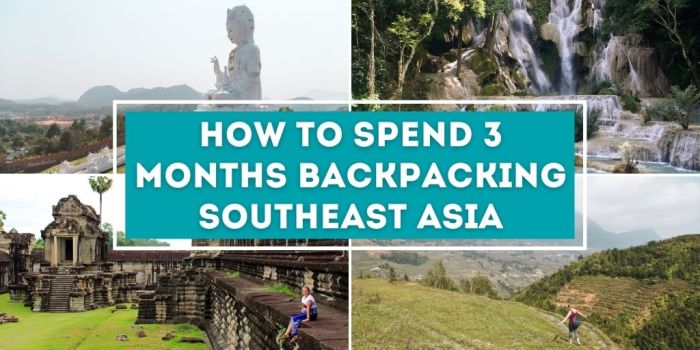
Southeast Asia beckons adventurous spirits with its vibrant cultures, stunning landscapes, and affordable travel options. Backpacking through this region has exploded in popularity, fueling a surge in travel blogs offering diverse perspectives and practical advice. This exploration delves into the world of backpacking blogs focused on Southeast Asia, examining trends, budgeting strategies, essential information, and responsible travel practices.
From detailed itineraries and budget breakdowns to insightful tips on navigating visa requirements and staying safe, these blogs provide invaluable resources for aspiring backpackers. We’ll analyze the evolution of this online travel genre, comparing popular blogs and highlighting key features that resonate with readers. The aim is to provide a comprehensive overview for both seasoned backpackers and those planning their first Southeast Asian adventure.
Popularity and Trends of Backpacking Southeast Asia Blogs
Backpacking through Southeast Asia remains incredibly popular, fueling a vibrant online community of travel bloggers sharing their experiences, tips, and advice. The sheer volume of content available can be overwhelming, but certain themes and writing styles consistently resonate with readers. Analyzing these trends provides valuable insight into what captivates audiences and shapes the future of Southeast Asia backpacking blogs.
Top Three Popular Backpacking Southeast Asia Blog Topics
The backpacking Southeast Asia blogosphere is diverse, but three topics consistently dominate: budget travel, immersive cultural experiences, and sustainable tourism. Budget travel guides, focusing on affordable accommodation, transportation, and food options, are consistently sought after by backpackers seeking to maximize their trip duration. Similarly, blogs detailing authentic cultural interactions, including local festivals, cooking classes, and homestays, attract a large readership eager to experience the region’s rich heritage.
Finally, the increasing awareness of sustainable travel practices has led to a rise in blogs promoting eco-friendly accommodations, responsible tourism initiatives, and minimizing environmental impact. These three topics represent a blend of practical information and aspirational travel experiences, appealing to a wide range of readers.
Comparative Analysis of Writing Styles in Five Prominent Backpacking Southeast Asia Blogs
Five prominent blogs demonstrate a variety of writing styles. Blog A adopts a highly descriptive and evocative style, focusing on vivid imagery and personal anecdotes to immerse the reader in the travel experience. Blog B prioritizes practicality, offering detailed itineraries, budget breakdowns, and logistical advice. Blog C strikes a balance, blending personal narratives with practical tips and recommendations. Blog D employs a humorous and informal tone, appealing to a younger audience with its witty observations and relatable experiences.
Finally, Blog E distinguishes itself with its focus on photography, using stunning visuals to showcase the beauty of Southeast Asia and complement its concise, informative text. These diverse approaches highlight the range of reader preferences and demonstrate the effectiveness of tailoring content to a specific audience.
Evolution of Backpacking Southeast Asia Blog Content (Past Five Years)
Over the past five years, backpacking Southeast Asia blog content has evolved significantly. Initially dominated by basic travel guides and itinerary suggestions, the landscape now includes a greater emphasis on in-depth cultural explorations, sustainable tourism practices, and personal storytelling. The rise of social media has also influenced content, with blogs increasingly incorporating high-quality photography and videography to enhance engagement.
A notable shift is the increasing focus on responsible travel, addressing issues like overtourism and supporting local communities. For example, blogs are now more likely to feature ethical accommodation options, promote local businesses, and discourage activities that negatively impact the environment. This evolution reflects a growing awareness among travelers of their environmental and social responsibility.
Key Features of Five Popular Backpacking Blogs
| Blog Name | Writing Style | Focus | Strengths |
|---|---|---|---|
| Blog A | Descriptive, Evocative | Immersive Cultural Experiences | Vivid imagery, personal storytelling |
| Blog B | Practical, Informative | Budget Travel & Logistics | Detailed itineraries, budget breakdowns |
| Blog C | Balanced, Comprehensive | Mix of Personal Narrative & Practical Tips | Wide appeal, useful information |
| Blog D | Humorous, Informal | Relatable Experiences, Younger Audience | Witty observations, engaging tone |
| Blog E | Visually Driven, Concise | Stunning Photography, Quick Information | High-quality visuals, efficient content |
Budgeting and Finances for Backpacking Southeast Asia
Backpacking Southeast Asia doesn’t have to break the bank. With careful planning and a realistic budget, you can experience the region’s incredible diversity without emptying your savings account. This section details budgeting strategies, cost comparisons across different countries, and money-saving tips to help you make the most of your trip.
Sample One-Month Backpacking Budget
This sample budget provides a general guideline for a one-month backpacking trip through Southeast Asia. Individual expenses can vary greatly depending on your travel style and choices. This budget assumes a moderate level of spending, balancing comfort with budget-consciousness.
| Expense Category | Estimated Cost (USD) |
|---|---|
| Accommodation (mix of hostels and budget guesthouses) | $500 |
| Food (street food, local markets, occasional restaurants) | $400 |
| Activities and Entrance Fees (temples, national parks, etc.) | $300 |
| Transportation (buses, trains, occasional flights) | $300 |
| Visa Fees (if applicable) | $50 |
| Miscellaneous (souvenirs, SIM card, etc.) | $150 |
| Total Estimated Cost | $1700 |
This budget totals $1700 for a month, but remember this is an estimate. You could easily travel for less or more depending on your preferences.
Cost of Living Comparison: Thailand, Vietnam, and Laos
Three popular backpacking destinations in Southeast Asia offer varying costs of living.
| Country | Accommodation (per night) | Food (per day) | Activities (per day) | Transportation (per day) |
|---|---|---|---|---|
| Thailand | $10-$30 | $10-$20 | $10-$50 | $5-$20 |
| Vietnam | $8-$20 | $5-$15 | $5-$30 | $3-$10 |
| Laos | $7-$15 | $8-$15 | $5-$25 | $3-$10 |
Note that these are average costs and can fluctuate based on location and season.
Money-Saving Tips for Backpacking Southeast Asia
Careful budgeting is key to a successful backpacking trip.
Several strategies can significantly reduce expenses:
- Utilize budget accommodation: Hostels and guesthouses are significantly cheaper than hotels.
- Eat like a local: Street food and local markets offer delicious and incredibly affordable meals.
- Take advantage of free activities: Many temples, parks, and beaches are free to visit.
- Travel during the off-season: Prices for flights and accommodation are often lower during the shoulder seasons.
- Use public transportation: Buses and trains are much cheaper than taxis or private cars.
- Learn basic phrases in the local language: This can help you negotiate prices and avoid tourist traps.
- Withdraw cash from ATMs: This usually offers better exchange rates than exchanging currency at airports or exchange bureaus.
Infographic: Backpacking Southeast Asia Expense Breakdown
The infographic would be a circular chart showing a visual breakdown of expenses. The largest segment would represent “Accommodation and Food” (approximately 45%), highlighting the importance of budget-friendly choices in these areas. The next largest segment would be “Transportation” (approximately 25%), emphasizing the cost-effectiveness of public transport. “Activities and Entrance Fees” would comprise approximately 20%, illustrating the possibility of balancing paid experiences with free activities.
Finally, a smaller segment of 10% would represent “Miscellaneous expenses,” including visas and souvenirs. The chart’s title would be “Backpacking Southeast Asia: Your Budget Pie.” Each segment would be clearly labeled with its percentage and a brief description.
Essential Travel Information for Backpacking Southeast Asia
Planning a backpacking adventure through Southeast Asia requires careful preparation. This section covers essential information to ensure a smooth and enjoyable trip, focusing on packing, insurance, helpful apps, and visa requirements. Thorough preparation will significantly enhance your experience and minimize potential problems.
Packing List for Backpacking Southeast Asia
A well-organized packing list is crucial for comfortable and efficient backpacking. Overpacking is a common mistake; prioritize versatile items that can be used in multiple situations. The following list categorizes essentials for a Southeast Asian backpacking trip.
- Clothing: Lightweight and quick-drying clothing is key. Pack several pairs of breathable t-shirts, shorts, and a couple of long-sleeved shirts for sun protection and cooler evenings. A light, waterproof jacket is also essential, as is comfortable walking shoes or hiking boots. Don’t forget swimwear and underwear.
- Gear: A comfortable and durable backpack (around 50-70 liters) is paramount. A reusable water bottle, a small padlock for hostels, a head torch or flashlight, and a universal travel adapter are all vital. Insect repellent, sunscreen, and a first-aid kit are also non-negotiable. A small, lightweight towel is preferable to a bulky bath towel.
- Documents: Keep copies of your passport, visa (if required), travel insurance details, and flight/accommodation confirmations in a separate location from the originals. A photocopy of your passport photo page is highly recommended. Consider storing digital copies in cloud storage as well.
Importance of Travel Insurance for Backpackers in Southeast Asia
Comprehensive travel insurance is not merely recommended; it’s essential for backpackers in Southeast Asia. The region offers incredible experiences but also presents potential risks, including medical emergencies, lost belongings, and flight cancellations. Travel insurance provides financial protection against unexpected events, potentially saving you thousands of dollars in unforeseen costs. Ensure your policy covers medical evacuation, repatriation, and lost luggage.
A specific example would be a traveler falling ill and requiring emergency medical transport; insurance would cover the substantial costs involved.
Essential Travel Apps for Backpackers in Southeast Asia
Several mobile applications can significantly enhance your backpacking experience. These apps provide essential information and tools, improving efficiency and safety.
- Maps.me: An offline map application allowing navigation even without internet access. This is invaluable in areas with unreliable connectivity.
- Grab/Gojek: Ride-hailing apps prevalent throughout Southeast Asia, offering convenient and affordable transportation options.
- Google Translate: Facilitates communication with locals who may not speak English. While not perfect, it can significantly aid in understanding and being understood.
- Booking.com/Agoda: These apps allow you to easily book accommodation on the go, comparing prices and availability across different providers.
Visa Requirements for Backpacking in Southeast Asia
Visa requirements vary significantly across Southeast Asian countries. It is crucial to research the specific requirements for each country you plan to visit well in advance. Failure to obtain the necessary visa can result in denied entry and significant disruption to your travel plans. The following provides examples for three countries:
- Thailand: Many nationalities can enter Thailand visa-free for a specific period (typically 30 days). However, it’s essential to check the specific regulations based on your citizenship before your departure.
- Vietnam: Similar to Thailand, many nationalities can enter Vietnam visa-free for a short period, but this depends on your passport. Alternatively, you can obtain a visa on arrival at certain airports or apply for a visa in advance through an embassy or consulate.
- Indonesia: Many nationalities can obtain a visa on arrival in Indonesia, but this usually comes with a fee. Again, check the specific requirements for your nationality well before your trip.
Destinations and Activities in Southeast Asia for Backpackers
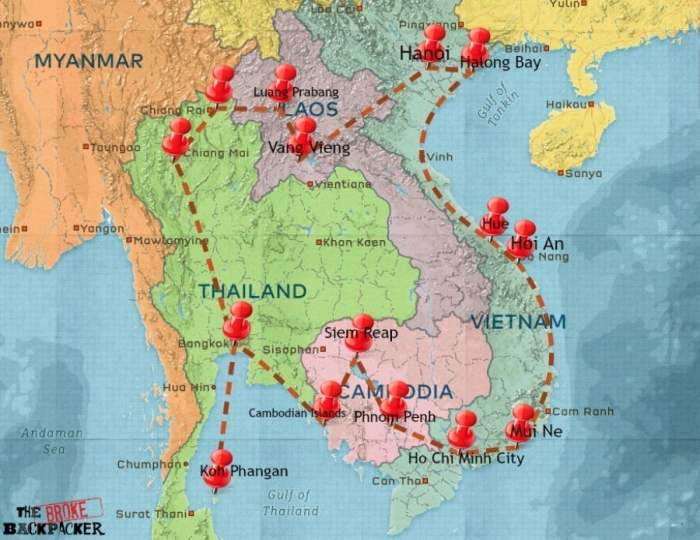
Southeast Asia offers a diverse range of backpacking experiences, catering to every taste and budget. From bustling cities to serene landscapes, ancient temples to vibrant nightlife, the region is a treasure trove of adventure and cultural immersion. This section delves into some lesser-known destinations, compares popular backpacking routes, and Artikels a sample itinerary focused on cultural exploration, alongside a selection of adventurous activities.
Five Unique and Lesser-Known Destinations in Southeast Asia for Backpackers
Southeast Asia boasts many hidden gems beyond the typical tourist trails. These destinations offer a more authentic and less crowded backpacking experience.
- Luang Prabang, Laos: This charming town, nestled along the Mekong River, offers a tranquil escape. Explore ancient temples, serene waterfalls, and vibrant markets, all while enjoying the slow pace of Laotian life. The laid-back atmosphere and friendly locals make it ideal for a relaxing backpacking experience.
- Hoi An, Vietnam: While Hoi An is becoming increasingly popular, it still retains a unique charm. This ancient trading port boasts stunning architecture, tailor shops, delicious street food, and nearby beaches. The blend of Vietnamese culture and history with a relaxed atmosphere makes it a worthwhile destination.
- Ipoh, Malaysia: Ipoh, often overlooked in favor of Kuala Lumpur, offers a fascinating blend of colonial architecture, stunning cave temples, and delicious food. Explore the limestone caves, sample the renowned Ipoh white coffee, and marvel at the intricate details of the city’s historical buildings. It’s a great option for a less hectic Malaysian experience.
- Inle Lake, Myanmar: Inle Lake offers a unique and unforgettable experience. Witness the leg-rowing fishermen, explore floating villages, and visit ancient pagodas nestled amongst stunning scenery. The serene atmosphere and cultural immersion make it a truly special destination.
- Si Phan Don (4000 Islands), Laos: This archipelago in southern Laos offers a laid-back atmosphere perfect for relaxation and adventure. Explore waterfalls, kayak through the Mekong River, and enjoy the tranquility of island life. It’s a great place to unwind after exploring busier cities.
Comparing Backpacking Experiences in Thailand, Vietnam, and Cambodia
Thailand, Vietnam, and Cambodia offer distinctly different backpacking experiences.
| Country | Strengths | Weaknesses |
|---|---|---|
| Thailand | Well-developed infrastructure, diverse activities (beaches, temples, nightlife), relatively easy to navigate. | Can be expensive in tourist hotspots, can feel overly commercialized in some areas. |
| Vietnam | Rich history and culture, stunning landscapes (from beaches to mountains), delicious and affordable food. | Can be challenging to navigate public transport in some areas, language barrier can be more significant. |
| Cambodia | Incredible temples (Angkor Wat), rich history, friendly locals, generally affordable. | Infrastructure can be less developed in some areas, requires more planning and research. |
Two-Week Backpacking Itinerary Focused on Cultural Experiences
This itinerary focuses on cultural immersion, prioritizing temples, historical sites, and local interactions. Adjust the duration in each location based on your preferences.
- Days 1-3: Bangkok, Thailand: Explore the Grand Palace, Wat Arun, and bustling markets. Take a cooking class and experience the vibrant city life.
- Days 4-6: Siem Reap, Cambodia: Visit Angkor Wat and the other magnificent temples of Angkor. Learn about Khmer history and culture.
- Days 7-9: Luang Prabang, Laos: Explore the temples, waterfalls, and serene atmosphere of this charming town. Take a boat trip along the Mekong River.
- Days 10-12: Hanoi, Vietnam: Discover the Old Quarter, visit Hoan Kiem Lake, and explore the city’s rich history. Take a cyclo tour and enjoy the street food.
- Days 13-14: Hoi An, Vietnam: Explore the ancient town, get clothes tailored, and relax on the beach. Enjoy the unique blend of Vietnamese and international influences.
Ten Adventurous Activities Popular Among Backpackers in Southeast Asia
Southeast Asia offers a plethora of thrilling activities for adventurous backpackers.
- Rock climbing in Krabi, Thailand
- Island hopping in the Philippines
- Trekking in Sapa, Vietnam
- Scuba diving in the Similan Islands, Thailand
- Exploring caves in Phong Nha-Ke Bang National Park, Vietnam
- White water rafting in Pai, Thailand
- Surfing in Bali, Indonesia
- Cycling through the rice paddies in Ubud, Bali
- Jungle trekking in Borneo, Malaysia
- Kayaking through Ha Long Bay, Vietnam
Travel Deals, Resources, and Guides
Navigating the world of backpacking Southeast Asia on a budget requires a strategic approach to finding deals and utilizing helpful resources. This section will explore various websites offering travel discounts, compare the advantages and disadvantages of pre-booking versus spontaneous travel, and examine different types of travel guides available to backpackers in the region. Finally, we will walk through the process of using a travel app to book flights and accommodation.
Websites Offering Travel Deals and Discounts
Several online platforms specialize in providing discounted travel options. These platforms often leverage bulk purchasing power and negotiate lower prices with airlines and accommodation providers, passing the savings on to consumers. Accessing these deals can significantly reduce the overall cost of a backpacking trip.
- Skyscanner: A metasearch engine comparing flights from various airlines and travel agencies.
- Google Flights: Similar to Skyscanner, Google Flights allows for flexible date searching and price tracking.
- Hostelworld: A platform specializing in hostel bookings worldwide, often offering discounts and deals.
- Booking.com: A comprehensive platform for booking hotels, guesthouses, and other accommodations, frequently featuring deals and promotions.
- Agoda: A popular booking site focused on Asia, often offering competitive prices on hotels and other lodging options.
Pre-Booking Versus Spontaneous Travel Arrangements
The decision of whether to book travel arrangements in advance or spontaneously depends heavily on individual travel styles and priorities. Pre-booking offers the security of guaranteed reservations and often lower prices, especially for flights and popular accommodations. However, spontaneity allows for greater flexibility and the potential to discover hidden gems or take advantage of last-minute deals.Pre-booking benefits include securing preferred flights and accommodations, particularly during peak season, and potentially locking in lower prices.
Drawbacks include reduced flexibility to change plans and the potential to miss out on unexpected opportunities. Spontaneous travel, on the other hand, offers flexibility and the chance to explore unplanned destinations, but may result in higher prices and limited availability, especially in popular locations.
Types of Travel Guides for Southeast Asia
Various travel guides cater to different backpacking styles and preferences. Each type offers unique strengths and weaknesses.
- Lonely Planet: Known for comprehensive information, detailed maps, and insightful cultural background, but can be bulky and may not always reflect the most up-to-date information.
- Rough Guides: Often feature a more independent and adventurous tone, focusing on off-the-beaten-path experiences, but may lack the detailed practical information of other guides.
- Digital Guides (Blogs and Apps): Offer readily updated information and user reviews, but can be less comprehensive than traditional print guides and may lack the depth of cultural context.
- Specific Destination Guides: Focus on a particular country or region, providing detailed information on that specific area, but lack the broader overview of regional travel.
Using a Travel App to Book Flights and Accommodation
Many travel apps simplify the booking process. For example, using an app like Skyscanner or Google Flights, a user would input their desired departure and arrival cities, dates, and number of passengers. The app then searches various airlines and displays available flights, sorted by price or other criteria. After selecting a flight, the user proceeds to the airline’s website or the app’s integrated booking system to complete the purchase.
Booking accommodation through an app like Booking.com or Hostelworld follows a similar process: users input their destination, dates, and desired accommodation type, browse available options, and complete the booking through the app’s secure payment gateway. The app typically provides confirmation details and itinerary information.
Safety and Health Considerations for Backpacking Southeast Asia
Backpacking Southeast Asia offers incredible experiences, but it’s crucial to prioritize safety and health. The region’s diverse climates, bustling cities, and remote areas present unique challenges that require careful planning and awareness. This section details potential health risks, safety precautions, and essential communication strategies for a safer and more enjoyable backpacking trip.
Potential Health Risks and Preventative Measures
Southeast Asia presents a range of health risks for travelers. Mosquito-borne illnesses like dengue fever and malaria are prevalent in many areas, particularly during the rainy season. Foodborne illnesses are also common due to varying hygiene standards. Furthermore, access to quality healthcare can be inconsistent across the region. Proactive measures are essential to mitigate these risks.
- Malaria Prevention: Consult your doctor about malaria prophylaxis based on your itinerary. This may involve taking anti-malarial medication before, during, and after your trip. Remember to consistently use mosquito repellent, especially during dawn and dusk.
- Dengue Fever Prevention: Similar to malaria prevention, using mosquito repellent and wearing long sleeves and pants, especially during mosquito peak hours, is crucial. Staying in well-screened accommodations also helps.
- Food and Water Safety: Stick to bottled water and avoid ice in drinks. Choose well-cooked food from reputable establishments. Thoroughly wash fruits and vegetables before consumption. Consider carrying hand sanitizer and using it frequently.
- Vaccinations and Medical Consultations: Consult your doctor well in advance of your trip. Necessary vaccinations may include typhoid, hepatitis A and B, and possibly Japanese encephalitis depending on your itinerary. Discuss any pre-existing medical conditions and obtain necessary prescriptions.
- Travel Insurance: Comprehensive travel insurance is paramount. It should cover medical emergencies, evacuations, and lost belongings. Ensure your policy covers the specific activities you plan to undertake.
Safety Precautions in Southeast Asia
Staying safe while backpacking in Southeast Asia requires vigilance and awareness of your surroundings. Petty theft and scams are common, particularly in crowded tourist areas. Transportation safety should also be a priority.
- Avoiding Scams: Be wary of overly friendly strangers offering unsolicited help or deals that seem too good to be true. Research common scams in the areas you’ll be visiting and learn how to recognize them. Never leave your belongings unattended.
- Transportation Safety: Use reputable transportation services and avoid overcrowded or poorly maintained vehicles. If using motorbikes, always wear a helmet. Be aware of your belongings when using public transport.
- Staying Safe in Crowded Areas: Keep your valuables close, be aware of your surroundings, and avoid displaying large amounts of cash. Stick to well-lit and populated areas, especially at night. Consider traveling with a buddy.
- Accommodation Safety: Choose reputable accommodations with good security measures. Inform someone of your whereabouts and itinerary. Be mindful of your belongings within your accommodation.
Importance of Learning Basic Local Phrases
Learning a few basic phrases in the local languages can significantly enhance your safety and experience. It demonstrates respect for the local culture and can be invaluable in emergency situations or when navigating unfamiliar areas. Even simple phrases like “hello,” “thank you,” and “help” can go a long way.
Emergency Contact Information and Resources
Having access to emergency contact information is crucial. It’s recommended to store these details offline as well as digitally.
- Local Emergency Numbers: Research the emergency numbers (police, ambulance, fire) for each country you plan to visit. These numbers will vary from country to country.
- Your Embassy or Consulate: Note the contact details of your country’s embassy or consulate in each country you’ll be visiting. They can offer assistance in emergencies.
- Travel Insurance Provider: Keep your travel insurance provider’s emergency contact information readily available.
- Local Hospitals: Identify the nearest hospitals in the areas you plan to visit. It is advisable to have this information readily available, especially in remote areas.
Sustainable and Responsible Travel in Southeast Asia
Backpacking through Southeast Asia offers incredible opportunities for adventure and cultural immersion, but it’s crucial to acknowledge the environmental and social impact of our travels. Responsible tourism ensures that the beauty and traditions of this region are preserved for future generations, benefiting both the environment and the local communities. By making conscious choices, we can minimize our footprint and maximize our positive impact.Minimizing the Environmental Impact of BackpackingThe sheer volume of backpackers visiting Southeast Asia contributes to environmental challenges such as increased waste, water consumption, and carbon emissions from transportation.
Sustainable practices are essential to mitigate these issues.
Reducing Carbon Footprint
Choosing sustainable transportation options significantly reduces your carbon footprint. Opting for slower, more fuel-efficient modes of travel, such as trains or buses, over frequent flights, is a positive step. Consider using local public transport within cities, walking, or cycling whenever feasible. Supporting businesses that prioritize sustainable practices in their operations, such as eco-lodges using renewable energy, further contributes to environmental protection.
Waste Management
Southeast Asia faces significant challenges with waste disposal. As a responsible traveler, it is imperative to minimize your waste generation. Carry a reusable water bottle to avoid single-use plastic bottles. Refuse single-use plastics wherever possible and actively participate in waste segregation and recycling programs. Pack out all your trash, even if local facilities are lacking.
Conserving Water and Energy
Water scarcity is a growing concern in many parts of Southeast Asia. Conserve water by taking shorter showers, reusing towels, and reporting any leaks or water wastage. Similarly, be mindful of energy consumption; turn off lights and air conditioning when leaving your accommodation.Respecting Local Cultures and TraditionsCultural sensitivity is paramount when backpacking in Southeast Asia. Respecting local customs and traditions ensures a positive and enriching experience for both the traveler and the community.
Cultural Sensitivity and Etiquette
Dress modestly when visiting religious sites. Learn basic greetings and phrases in the local language to show respect. Obtain permission before taking photographs of people, particularly in rural areas. Be mindful of local customs regarding eating, drinking, and social interactions. Avoid making assumptions about local culture and be open to learning and understanding.
Engage with local communities respectfully, avoiding stereotypes and engaging in meaningful interactions.
Supporting Local Businesses and Communities
Support local businesses by purchasing goods and services from local vendors and artisans. Choose homestays or locally-owned guesthouses over large international hotel chains. This helps distribute tourism revenue more equitably within the community and supports local livelihoods.
Eco-Friendly Accommodations and Activities
Numerous eco-friendly accommodations and activities are available throughout Southeast Asia. These options prioritize sustainability, environmental protection, and community engagement.
Examples of Eco-Friendly Accommodations
Eco-lodges often utilize sustainable building materials, renewable energy sources, and water conservation techniques. Many offer educational programs on local flora and fauna, promoting environmental awareness. Homestays provide an immersive cultural experience while supporting local families. These options often use local resources and minimize their environmental impact.
Examples of Eco-Friendly Activities
Sustainable tourism operators offer a range of eco-friendly activities, such as wildlife viewing tours that prioritize animal welfare, community-based tourism initiatives that involve local communities in the tourism process, and trekking tours that minimize environmental impact. These activities provide a more responsible and rewarding travel experience.
Responsible Interaction with Wildlife
Encountering wildlife is a highlight of many backpacking trips in Southeast Asia. However, it’s crucial to interact responsibly to ensure the animals’ well-being and safety.
A Short Guide on Responsible Wildlife Interaction
This guide would Artikel the importance of maintaining a safe distance from wildlife, refraining from feeding or touching animals, and respecting their natural habitats. It would emphasize the negative impacts of disturbing wildlife, including stress, habitat destruction, and the spread of diseases. The guide would also advise against participating in activities that exploit or endanger animals, such as riding elephants or participating in unethical wildlife shows.
Finally, it would encourage reporting any instances of animal cruelty or illegal wildlife trade.
Backpacking through Southeast Asia is an enriching and transformative experience, and the wealth of online resources available makes planning and execution significantly easier. This exploration of travel blogs dedicated to this topic has revealed the diverse perspectives and practical advice offered, emphasizing the importance of responsible and sustainable travel. Whether you’re a seasoned backpacker or a first-timer, utilizing these resources will undoubtedly enhance your journey, allowing you to fully immerse yourself in the unique cultures and breathtaking landscapes of Southeast Asia.
Frequently Asked Questions
What vaccinations are recommended for backpacking Southeast Asia?
Consult your doctor well in advance of your trip. Common recommendations include Typhoid, Hepatitis A & B, and potentially Japanese Encephalitis, depending on your itinerary.
How do I stay connected while backpacking in Southeast Asia?
Consider purchasing a local SIM card upon arrival for affordable data and calls. Many cafes and hotels offer free Wi-Fi.
What’s the best time of year to backpack Southeast Asia?
The best time varies by region. Generally, avoid monsoon season (typically June-October in many areas), but research specific destinations for optimal weather.
Are there any scams I should be aware of?
Be wary of overly friendly strangers offering unsolicited help, inflated prices for goods and services, and tuk-tuk drivers who take unnecessarily long routes.


